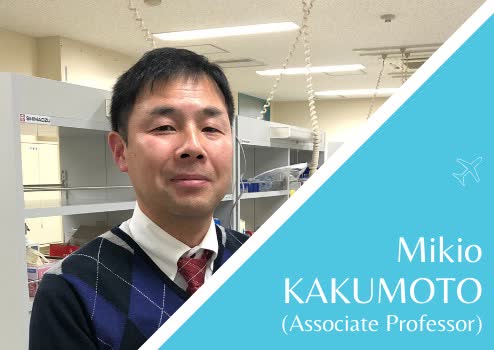
四年目を迎えた薬学部独自留学プログラム
―TCTP(Toronto Clinical Training Program)が四年目を迎えましたね。
はい、そして今回が新カリキュラムで動き出す年になります。第一回目、第二回目、第三回目を経て、どういう形でやっていけば良いのかがわかってきました。近藤先生も向こうで色々としてくださり、こちらが最初に要望してた内容が組み込まれたプログラムができたと思います。そして、まだまだこれからも良いものに変わってくるかと思います。
―(SickKids, トロント大学薬学部が)こちらの要望も考慮してくださって、一緒に良いものを作り出しているという感じがありますね。
学生がトロントで多くのものを吸収できるようなプログラムになっています。トロントの先生方が非常に協力的ですね。
―2016度のハーフスケールでの派遣には、角本先生も引率されました。あの時はどういう印象でしたか?
プログラムを作ってすぐにフルスケールではできないので、前段階での準備としてハーフスケールで実施しました。実際に行って見ましたが、こちらが要望していた内容を一週間という期間で用意してもらえていたので、安心しました。
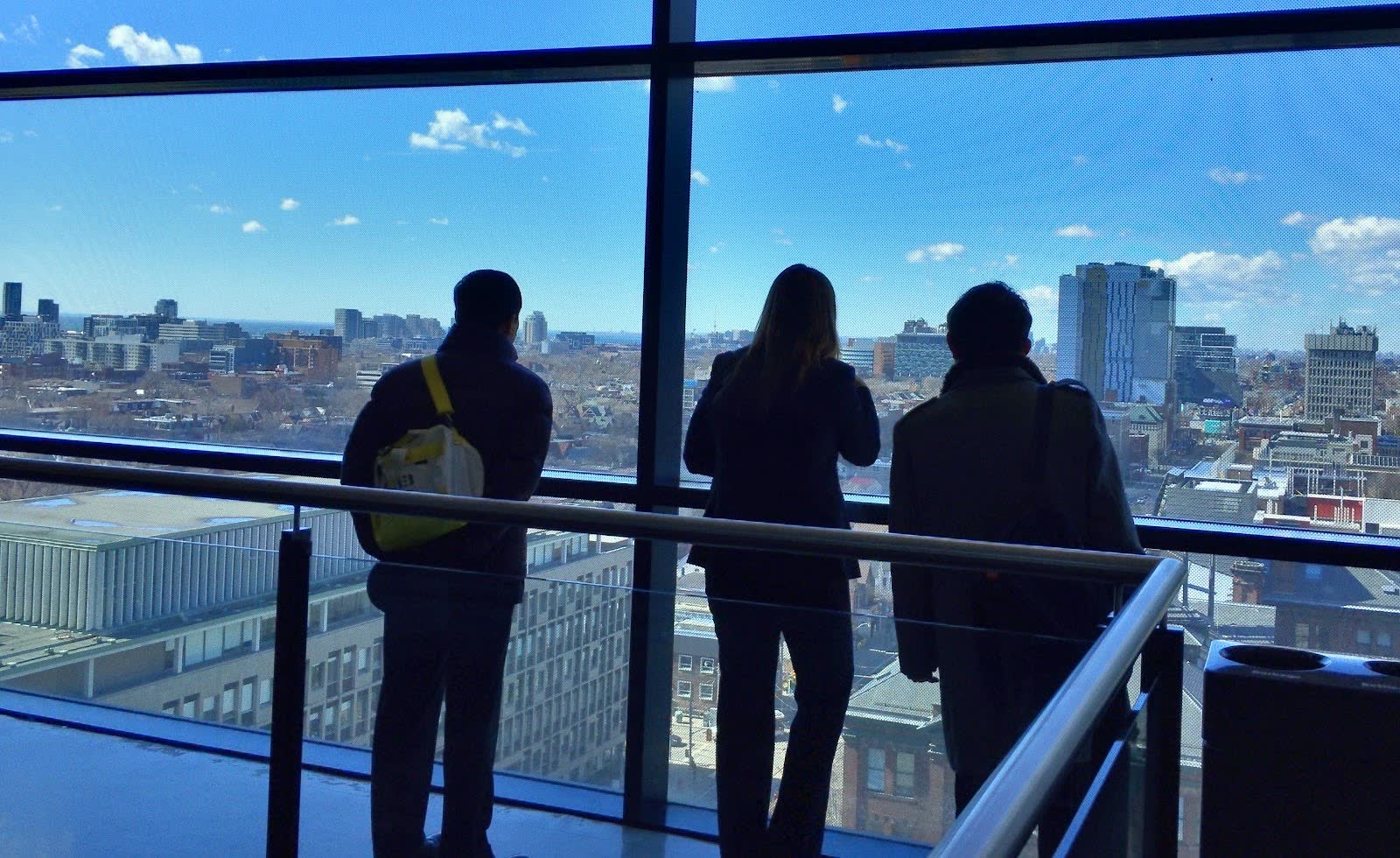
角本先生のトロントSickKidsでの研究員生活
―角本先生は、元々研究員としてSickKids(トロント小児病院)におられたのですよね?
私はSickKidsの薬剤部ではなく臨床薬理におりまして、今もお世話になっている伊藤真也先生のところで約半年間、研究をメインに行なっていました。そして、日本に帰る前に薬剤部を見せていただきました。2007年のことです。
―日本では病院薬剤師をされていましたが、どのようなきっかけでSickKidsに行かれたのですか?
当時、日本病院薬剤師会が海外派遣事業を行っていて、私が勤めていた職場で派遣する人材を探していたんです。行き先は自分で探さなければならなかったので、職場で同じ事業に参加した先輩、大学院時代にお世話になった先生、大学の後輩に色々と訊きながら、伊藤先生のラボに連絡を取りました。すぐに「来ていいですよ」と返事をいただきました。
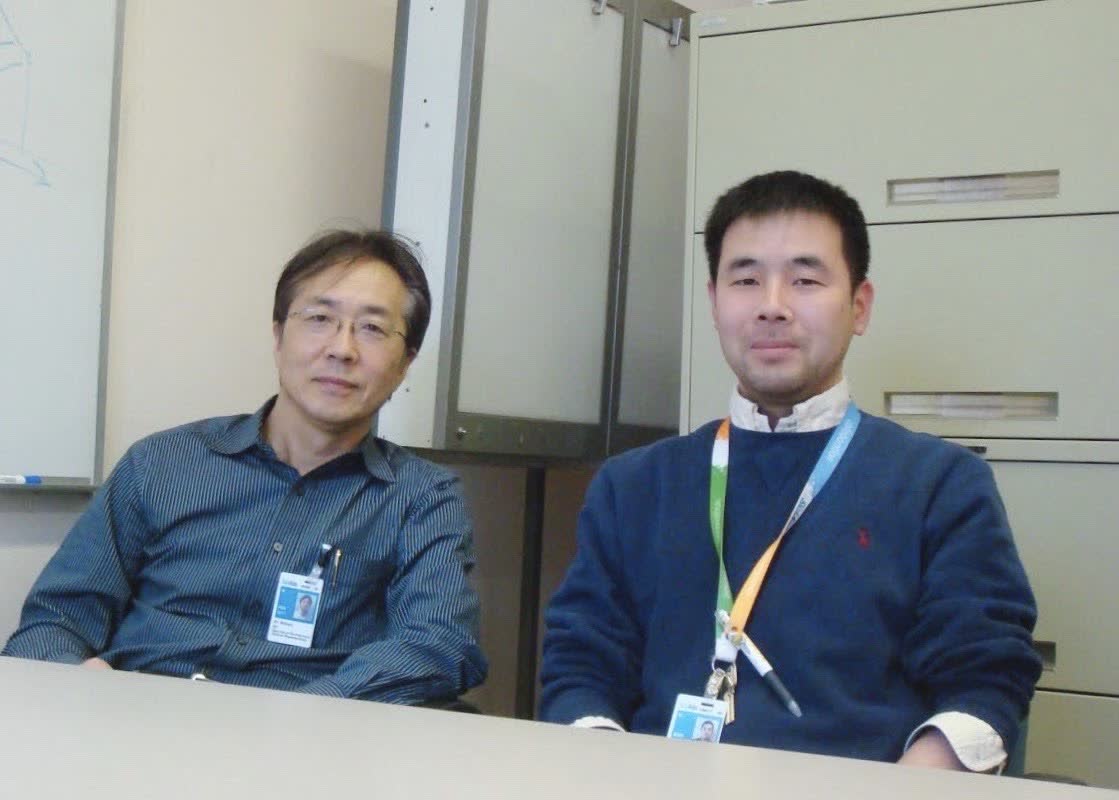
―角本先生のトロントでの一番の成果や一番大きな経験は何でしたか?
向こうで過ごしたのは半年だったので、成果的にはそれほど大きなものは得られなかったですが、研究を色々見せていただいたのが一番大きな経験だったと思います。
世界的に有名な病院で実習ができるプログラム
―2010年から立命館大学薬学部に来られました。それから留学プログラムの立ち上げはどのようにされましたか?
薬学部独自の留学プログラムがまだないということでしたので、ならば作ったらどうかと、私の方から提案させていただきました。やはり何らかのコネクションが無いとすぐには作れないので、恩師の伊藤先生に相談させていただきました。
病院と薬学部をつなぐ形で、やはり向こうの薬剤師がどういうことをしているのかを学生に見てもらいたかったので、どちらかというと臨床に近いことが学べるプログラムを提供できればと思いました。
―この立命館大学薬学部の独自留学プログラム、TCTPのアピールポイントは何ですか?
このプログラムのポイントは、SickKidsとトロント大学の両方で研修を受ける点です。世界的にも有名な病院で実習ができる点はアピールポイントであり、誇れるところだと思います。
―SickKidsでの「病棟体験」は特に好評ですね。
そうですね、それが一番見てもらいたいところです。そのために、時期的にはしんどいのですが、病院と薬局で実務実習を終えた5回生が、その経験をもとに参加するという形にしています。Advanced科目の中の一つになっています。
―Advanced科目が色々ある中で、角本先生はこの科目にどのような思いを込められていますか?
私が感じてほしいことの一つは、薬剤師の責任の範囲はカナダの方が広いですが、日本とカナダの薬剤師のやっていることに大きな差はないということです。日本の薬剤師から見ると、北米の方が進んでいるというイメージがあるかもしれませんが、実際にやっていることは同じなのだと。その上で、何らかの刺激を受けてもらえればいいなと思っています。
向こうに行くとわかると思いますが、医者で留学をしている人は多いですが、研究者を除き、薬剤師で留学している人はまだあまりいません。行けるうちに行って、見て来てもらいたいと思います。
学生へのメッセージ
―それでは最後に、伝え忘れたことがあれば教えてください。
私がこのプログラムを作ろうと思ったきっかけは、薬学部独自の留学プログラムがなかったことに加え、立命館の低回生での英語教育がしっかりとしているということもあったのです。しっかり学んでも、その先に、学んだことが実際にどう役に立つのかが多分学生にはわからないですよね。せっかく低回生で良いプログラムで英語を学んだのに、それを発揮する場面がないのはかわいそうだなという思いがありました。それだけしっかりと学んでいれば海外でも力を発揮できるので、実際に学んだものを活かす場面を提供できるのではと思いました。
私も実際に感じたことなのですが、「向こうの薬剤師とやっていることはほとんど同じだけれど、何か違う」といった日本にいるだけではわからないものを感じて、日本にとどまらず、世界で活躍して頑張ってほしいと思います。
―もうすぐ今年度の6名が出発しますが、メッセージはありますか?
本当にいい機会だと思うので、多くのものを吸収して帰ってきてほしいと思います。また、代表という言い方は変かもしれませんが、行って学んだことを自分だけのものにするのではなく、他の学生にもその経験を分けてもらえればと思います。
―本日はありがとうございました。
Faculty profile, College of Pharmaceutical Sciences (in Japanese)
The College's own study abroad program enters its fourth year
— TCTP (Toronto Clinical Training Program) is now in its fourth year.
Yes, and this is the year it starts running under the new curriculum. After the first, second and third runs we have come to understand how it should be done. Dr. Kondo did a great deal on the Toronto side too, and I think we now have a program that incorporates what we asked for at the start. And I think it will keep getting better.
— There is a sense that SickKids and the Faculty of Pharmacy take our requests into account, and that we are building something good together.
It is a program in which students can absorb a great deal in Toronto. The people in Toronto are extremely cooperative.
— You led the half-scale trip in AY2016 yourself. What was your impression then?
You cannot run a full-scale program the moment you create one, so we ran a half-scale version as a preparatory step. When I went and saw it, they had prepared what we had asked for within the one week, so I was reassured.
Dr. Kakumoto's time as a researcher at SickKids
— You were originally at SickKids as a researcher, weren't you?
I was not in the pharmacy department but in Clinical Pharmacology, where I spent about six months mainly doing research with Dr. Shinya Ito, who still helps us today. Before returning to Japan I was shown around the pharmacy department. That was in 2007.
— You were a hospital pharmacist in Japan. What led you to SickKids?
At the time the Japanese Society of Hospital Pharmacists had an overseas placement scheme, and my workplace was looking for someone to send. You had to find the destination yourself, so I asked around — a senior colleague who had been on the same scheme, my graduate school supervisor, a junior from university — and contacted Dr. Ito's lab. The reply came straight back: "You're welcome to come."
— What was your greatest achievement or biggest experience in Toronto?
I was there only six months, so in terms of results I did not achieve a great deal, but being shown so much research was the biggest experience.
A program that offers training at a world-famous hospital
— You joined Ritsumeikan's College of Pharmaceutical Sciences in 2010. How did you go about setting up the study abroad program?
The College did not yet have a study abroad program of its own, so I proposed that we create one. You cannot create one quickly without some kind of connection, so I consulted my mentor, Dr. Ito.
I wanted to link a hospital and a faculty of pharmacy, because I wanted students to see what pharmacists over there actually do — so I hoped to offer a program where they could learn things close to clinical practice.
— What is the selling point of TCTP, the College's own study abroad program?
The point of this program is that students train at both SickKids and the University of Toronto. Being able to train at a world-famous hospital is the selling point, and something to be proud of.
— The ward experience at SickKids is especially popular.
Yes, that is what we most want students to see. That is why — although the timing is hard — the program is for fifth-year students who have finished their hospital and pharmacy clerkships and take part on the basis of that experience. It is one of the Advanced courses.
— Among the many Advanced courses, what do you hope students take from this one?
One thing I want them to feel is that although the scope of a pharmacist's responsibility is wider in Canada, there is no great difference in what Japanese and Canadian pharmacists actually do. From a Japanese pharmacist's point of view North America may seem more advanced, but what they do is the same. On top of that, I hope students get some kind of stimulus.
As you will see when you go, many doctors study abroad, but apart from researchers, still very few pharmacists do. I want students to go while they can, and see for themselves.
A message to students
— Finally, is there anything you would like to add?
What made me want to create this program was, apart from the lack of a College program, the fact that English education in the early years at Ritsumeikan is very solid. Even after learning it well, students probably cannot see how what they have learned will actually be useful. I felt it would be a pity if, having learned English in a good program in the early years, they never had a chance to use it. If you have learned it that well, you can perform overseas, so I thought we could offer a place to put what they had learned to use.
I felt this myself: "what pharmacists over there do is almost the same, yet something is different" — something you cannot sense while staying in Japan. I hope students will not stay in Japan but go out and do well in the world.
— The six students for this year will leave soon. Any message for them?
It is a truly good opportunity, so I hope they absorb a great deal and bring it home. And — "representatives" may be an odd way to put it — I hope they will not keep what they learned to themselves, but share the experience with other students.
— Thank you very much.