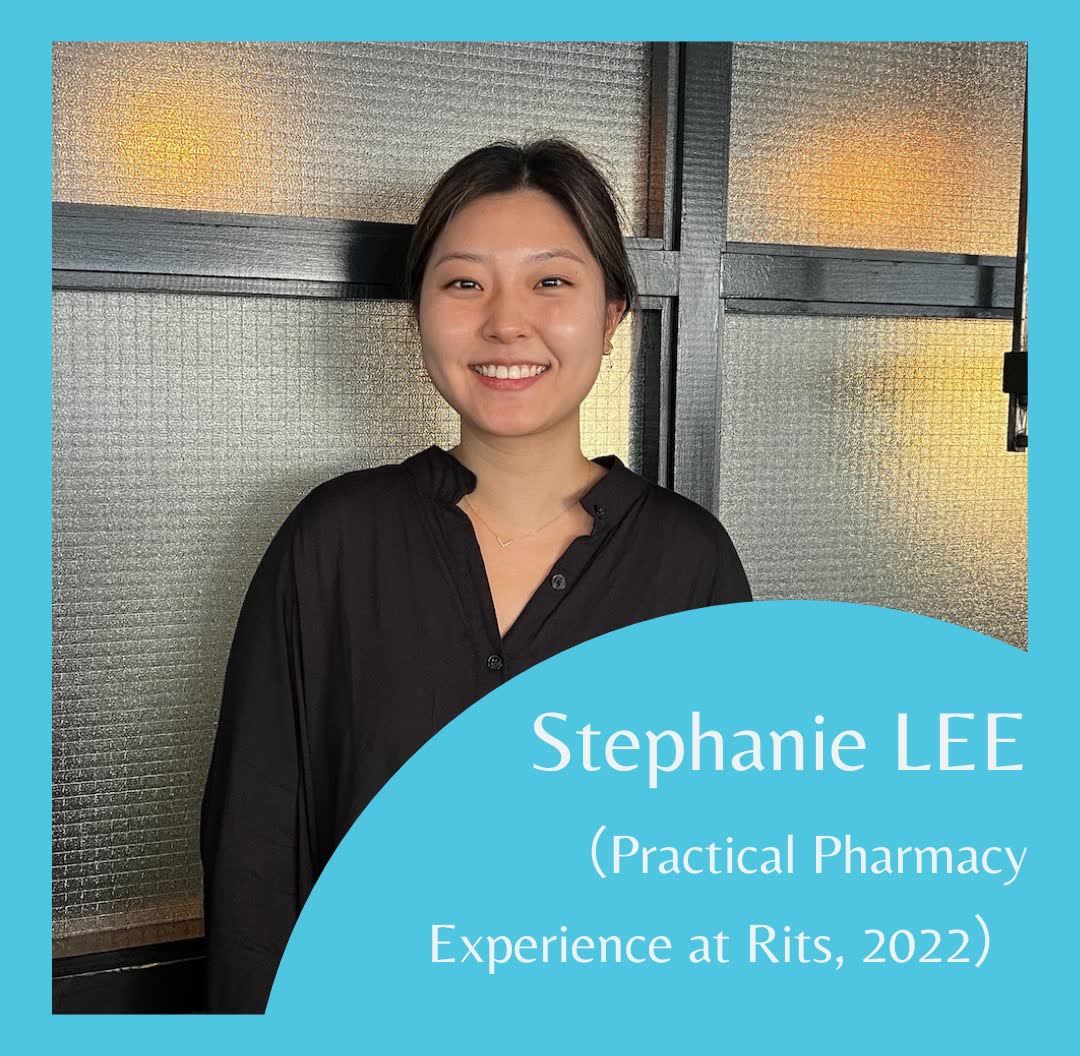
10歳の頃、家族で韓国からカナダに移住
―まず、自己紹介をお願いできますか?
Stephanie: トロント大学の4年生のステファニーです。私は韓国生まれで、10歳のときに家族と共にカナダに移住しました。姉がいて、彼女も薬学の分野で、薬剤師として働いています。
―幼い頃に異なる文化に馴染むのに苦労はなかったですか?
Stephanie: 友達とは身体を使った遊び、例えば鬼ごっこやバスケをして楽しく過ごし、寂しさはあまり感じませんでした。私の住んでいた街や学校には、移民はそんなに多くなく、アジア人は私だけでした。周りの人々は興味をもって、親切にしてくれました。
―英語はどのように学習しましたか?
Stephanie: 移住当初は英語をまったく理解できませんでした。だから、生きていくために学ぶ必要がありました。始めはリスニングから取り組み、次にスピーキング、そしてライティングを学びました。周りの人を理解できるようになるのには1年、話せるようになるのには2年かかりました。ライティングは、コースを取ったり本を読んだりして身につけました。
高校3年生で薬剤師への夢を持ち始める
―トロント大学の薬学部に入る前は何を専攻していたのですか?
Stephanie: 科学の学士を取りました。ウォータールー大学のプログラムの場合は専攻はなく、副専攻が選べて学士号を取得します。副専攻は生物でした。
―トロントでは別の分野を学んでから薬学部に入るというはよくあることなんでしょうか?
Stephanie: カナダではストレートに薬学部には行かないんですよ。高校を卒業して大学に行き、薬学部に必要なコースを取ってから薬学部を受験します。いろんな進路があるんですよ。2年間で基礎コースを修了して薬学部に来る人もいれば、4年間フルで大学に通って学士号を取って来る人もいれば、修士を取ってから来る人もいます。
―多様な学生がいるんですね。
Stephanie: 私の友人グループの中では、最年少が23歳で、私は25歳ですが、最年長は28か29歳です。
―いつ、どういった理由で薬学部に入ろうと思われましたか?
Stephanie: 高校時代に将来について真剣に考え始めました。どんな仕事だったら一生幸せを感じることができるかを考えてみたんです。特に化学が大好きだったので、どんな道があるだろう?医療系?研究?など色々考えました。高校で"Co-op"コースを履修し、研究室と薬局での実務体験をしました。特に、高校3年生での薬局での体験で、薬剤師という職業に興味を持ちました。それからは脇目も振らず一直線に進んできました。
実務実習の一環で海外研究を選択
―この研修は実務実習の一環なのですよね?
Stephanie: はい、4年生必修の実務体験(Pharmacy Practice Experience)です。4年生は授業や試験がなく、10回の実習があるだけなんです。1回の実習は5週間です。異なる薬学の分野を探求することができます。私はそれで海外での研究体験を選びました。
―病院や薬局のような必修の実習はあるんですか?
Stephanie: はい、薬局と病院は必修で、その他は選択です。研究も選択です。研究がやりたいなら研究を、製薬会社で働きたいなら製薬会社で実習することも可能です。
立命館大学薬学部での研究体験
―立命館の薬学部での研究体験はどうでしたか?
Stephanie: 素晴らしい経験でした。全てが高度で、カナダとは全く違いました。
―研究室ではどんなことをしましたか?
Stephanie: 北原先生の下で、タンパク質の構造変化について研究しました。神経変性疾患に関連するタンパク質の構造変化について、薬剤の影響を調べました。タンパク質を見る過程が私が経験していたものとは大きく異なっていました。私は以前、光学顕微鏡を使ったことがありますが、今回はタンパク質が相互作用して作る液滴を分光学の方法でも観察し、その物理的性質、特に高圧下でどう影響を受けるかを調べました。カナダの薬学部ではあまり研究をしませんでしたので、この実習は私にとって非常に刺激的なものでした。
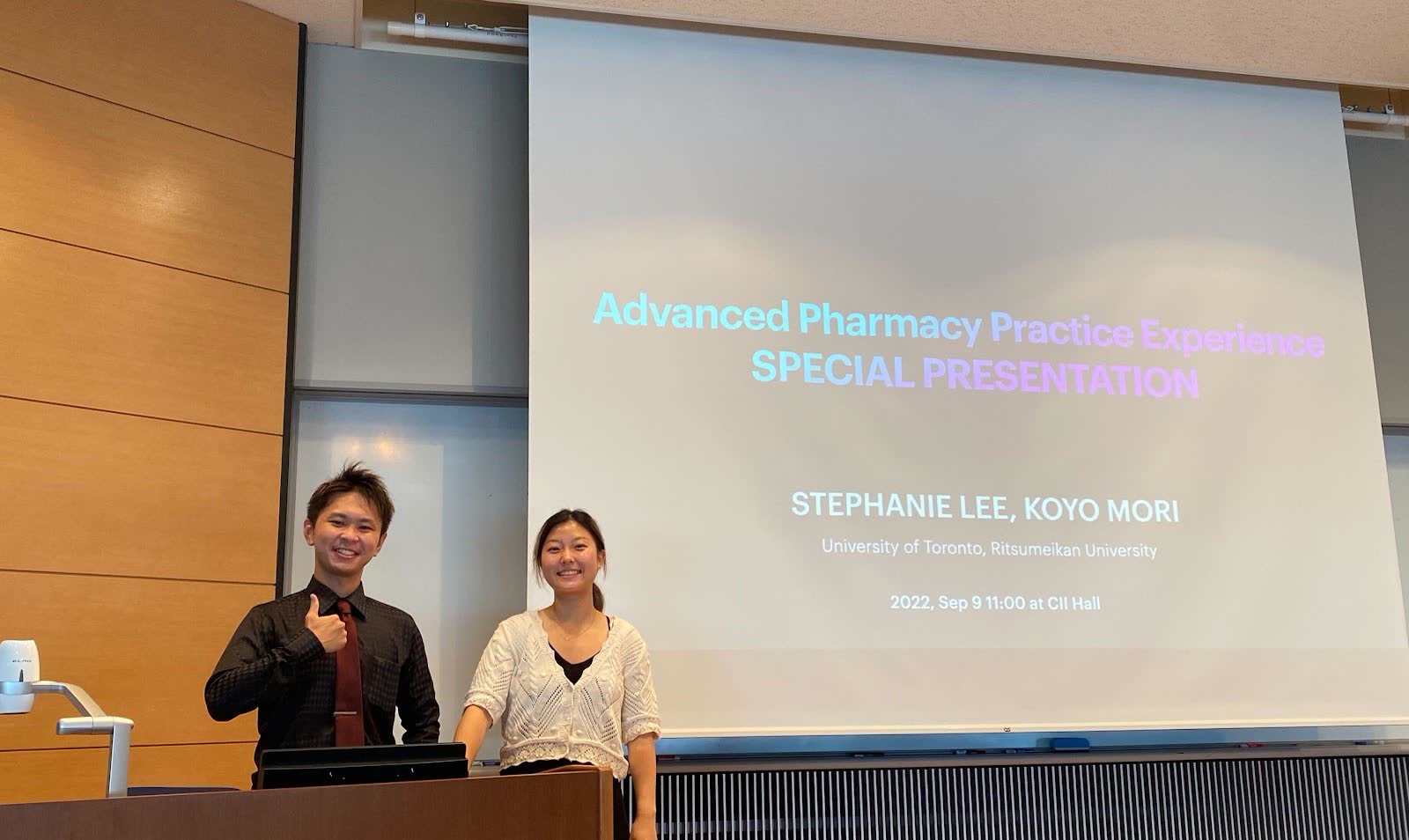
実習のプレゼンテーションにて
日本の「コミュニティ文化」を感じた
―研究室の学生との交流は楽しみましたか?
Stephanie: 私の研究室に所属している学生は本当にいい人たちです。とても歓迎してくれました。いつも学生さんたちに囲まれていたので、寂しくなかったです。
日本の方は温かいです。天ヶ瀬先生も学生たちの面倒をとてもよく見ていて、何かあった時はいつでも助けてくれます。カナダとは文化が違いますね。カナダでは人に頼らないんです。誰かが手を差し伸べてくれるわけではないです。もちろん友人は支えになってくれますが、基本的には自分一人で何とかします。日本はコミュニティ社会だと感じます。日本語を話さない私でも受け入れられていると感じたので、とても感謝しています。
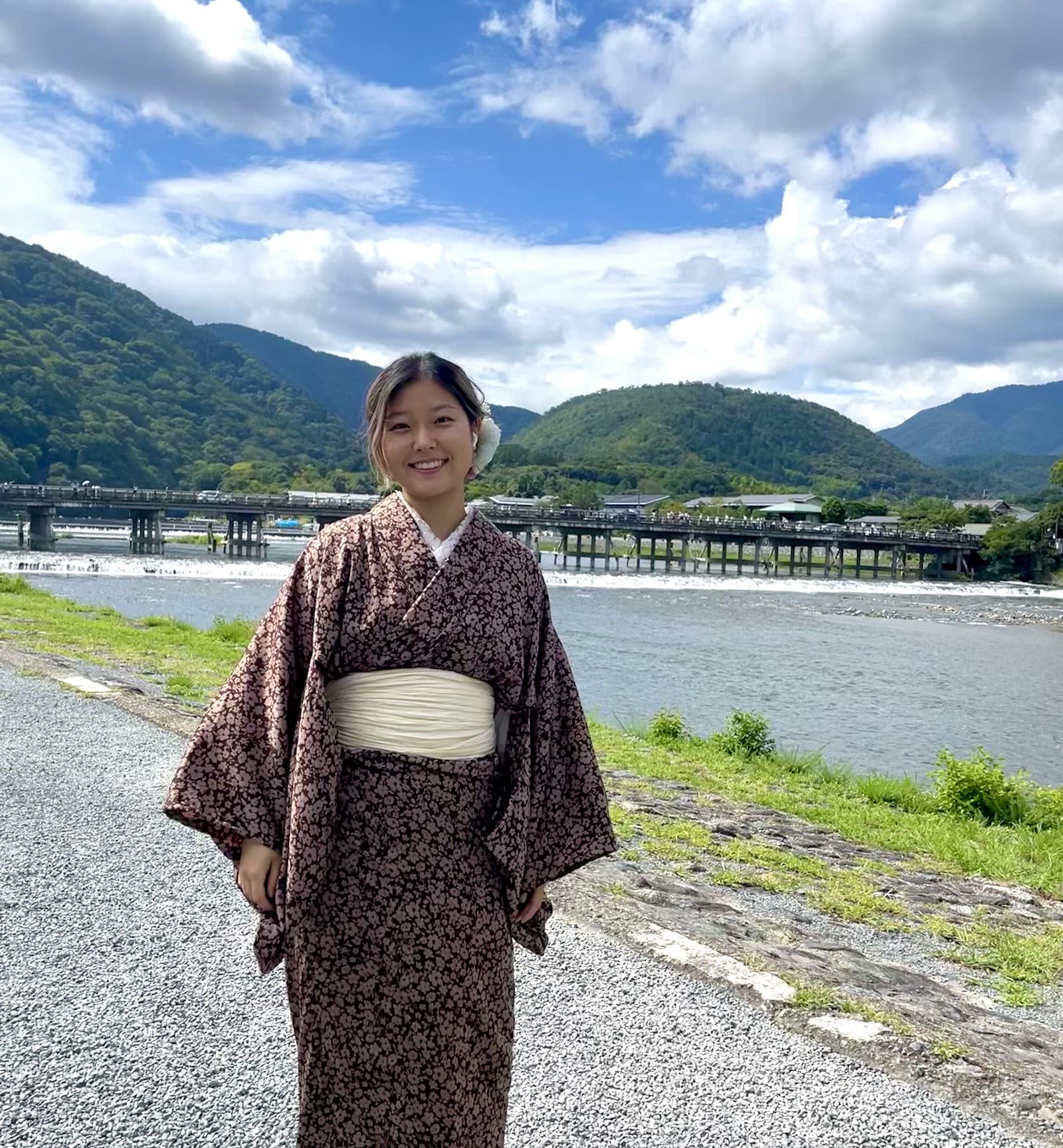
嵐山にて
―日本に来る前の印象とは違いましたか?
Stephanie: 文化的には韓国と似ていると聞いていましたし、コミュニティ文化だということは知っていました。ただ幼い頃にカナダに移住したので、あまりそれがどういう意味なのか分かっていませんでした。日本に来て、今はコミュニティ文化がどのようなものか分かります。もちろんそれには長所も短所もありますが。
薬局の薬剤師として、患者の人生の一部となる
―これが最後の質問になります。卒業後は何をされたいですか?
Stephanie: 薬局(コミュニティ・ファーマシー)で働きたいです。患者さんとの触れ合いがとても好きなんです。それが私の生きがいです。経験がないので間違っているかもしれませんが、病院に来る患者さんはどちらかというと深刻な疾患を抱えていて、退院すればもう会うことはありません。薬局では患者さんは戻って来られます。薬局の薬剤師は患者さんの人生の一部となり、会話を積み重ねて患者さんのことを知っていきます。それが好きです。
―立命館大学の学生に向けて、何かメッセージはありますか?
Stephanie: ぜひトロント大学に来てほしいです。薬学部を卒業して独り立ちすると、留学のような機会を得ることは難しくなります。大学からサポートや指導を受け、異なる分野を探求できることはすばらしいことです。私もこの海外実習に参加してたくさんのことを学びました。毎日新しいことを学んでいます。薬学に関してだけではなく、視野が広がりました。
Moving from Korea to Canada with her family at age 10
— Could you introduce yourself?
Stephanie: I'm Stephanie, a fourth-year student at the University of Toronto. I was born in Korea and moved to Canada with my family when I was ten. I have an older sister who is also in pharmacy, working as a pharmacist.
— Was it hard to adjust to a different culture as a child?
Stephanie: I had fun with friends playing physical games — tag, basketball — so I didn't feel lonely much. There weren't many immigrants in my town or school, and I was the only Asian, but people around me were curious and kind.
— How did you learn English?
Stephanie: When we first moved I couldn't understand English at all, so I had to learn it to get by. I started with listening, then speaking, then writing. It took a year before I could understand people and two years before I could speak. Writing I picked up through courses and reading books.
Dreaming of pharmacy from the last year of high school
— What did you study before entering the Faculty of Pharmacy?
Stephanie: I did a Bachelor of Science. In the University of Waterloo program there is no major; you choose a minor and get your degree. My minor was biology.
— Is it common in Toronto to study another field before entering pharmacy?
Stephanie: In Canada you don't go straight into pharmacy. You finish high school, go to university, take the prerequisite courses and then apply to pharmacy. There are many routes. Some people finish the basic courses in two years and come to pharmacy; some do a full four-year degree first; some come after a master's.
— So the students are quite diverse.
Stephanie: In my group of friends the youngest is 23, I'm 25, and the oldest is 28 or 29.
— When and why did you decide to go into pharmacy?
Stephanie: I started thinking seriously about my future in high school — what job would make me happy for a lifetime. I especially loved chemistry, so I thought about the possible paths: health care? research? I took a co-op course in high school and got practical experience in a lab and in a pharmacy. It was the pharmacy placement in my last year of high school that got me interested in the profession, and from then on I went straight for it.
Choosing research abroad as part of the practice experience
— This placement is part of your practical training, isn't it?
Stephanie: Yes, it's the compulsory fourth-year Pharmacy Practice Experience. In fourth year there are no classes or exams, just ten rotations, each five weeks long. You can explore different areas of pharmacy, and I chose a research experience abroad.
— Are there compulsory rotations, like hospital or community pharmacy?
Stephanie: Yes, community pharmacy and hospital are compulsory; the rest are electives. Research is an elective. If you want to do research you can, and if you want to work in a pharmaceutical company you can do a rotation there.
Research experience at Ritsumeikan
— How was the research experience at Ritsumeikan's College of Pharmaceutical Sciences?
Stephanie: It was a wonderful experience. Everything was advanced and completely different from Canada.
— What did you do in the lab?
Stephanie: Under Dr. Kitahara I studied structural changes in proteins — the effect of drugs on structural changes in proteins related to neurodegenerative disease. The way we looked at proteins was very different from what I had experienced. I had used a light microscope before, but this time we also used spectroscopic methods to observe the droplets that proteins form when they interact, and looked at their physical properties, especially how they are affected under high pressure. We don't do much research in pharmacy school in Canada, so this rotation was really stimulating for me.
Feeling Japan's "community culture"
— Did you enjoy spending time with the students in the lab?
Stephanie: The students in my lab are really good people. They made me very welcome. I was always surrounded by students, so I was never lonely.
Japanese people are warm. Dr. Amagase also looks after the students very well and helps whenever anything comes up. The culture is different from Canada. In Canada you don't rely on people; nobody reaches out a hand. Of course friends support you, but basically you manage on your own. Japan feels like a community society. Even though I don't speak Japanese, I felt accepted, and I'm very grateful.
— Was it different from your impression before coming to Japan?
Stephanie: I had heard the culture is similar to Korea's, and I knew it was a community culture. But I moved to Canada so young that I didn't really understand what that meant. Now that I've been in Japan I understand what a community culture is like — with its good points and its drawbacks, of course.
As a community pharmacist, becoming part of patients' lives
— This is the last question. What do you want to do after graduating?
Stephanie: I want to work in community pharmacy. I really enjoy contact with patients — it's what makes it worthwhile for me. I may be wrong since I don't have the experience, but hospital patients tend to have serious illnesses, and once they're discharged you don't see them again. In a community pharmacy, patients come back. The pharmacist becomes part of the patient's life and gets to know them through conversation after conversation. I like that.
— Do you have a message for Ritsumeikan students?
Stephanie: Please come to the University of Toronto. Once you graduate and are on your own, it becomes hard to get opportunities like studying abroad. Being able to explore different fields with the university's support and guidance is wonderful. I learned a great deal on this rotation abroad, and I'm learning something new every day — not only about pharmacy; it has widened my horizons.