Toronto Clinical Training Program Report
はじめに
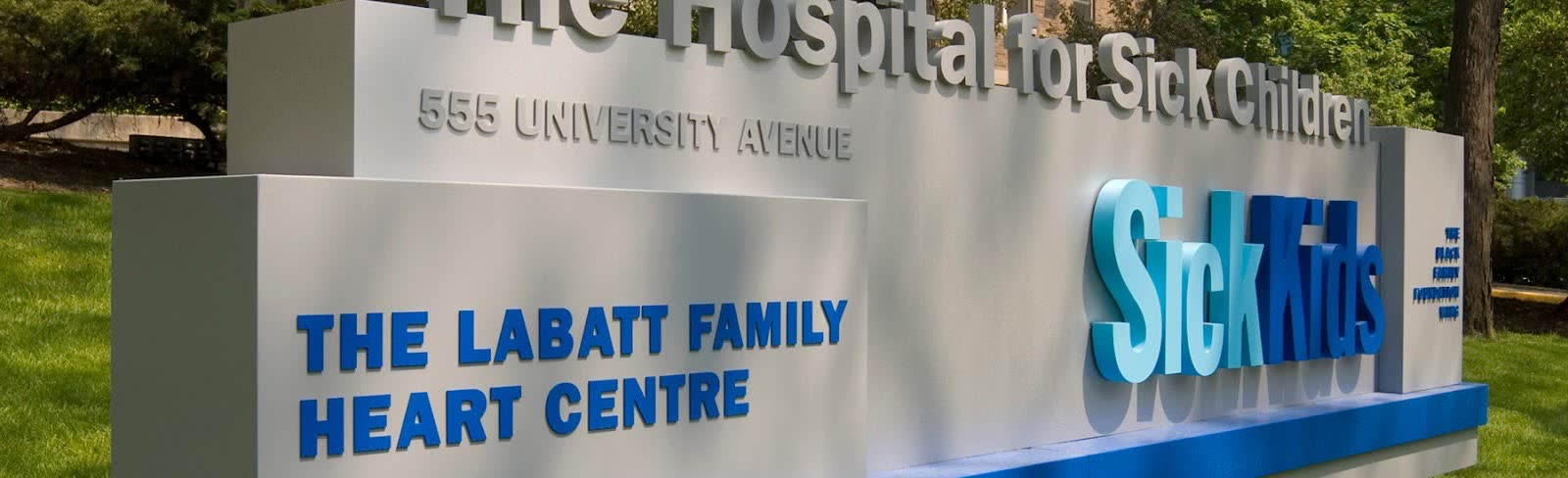
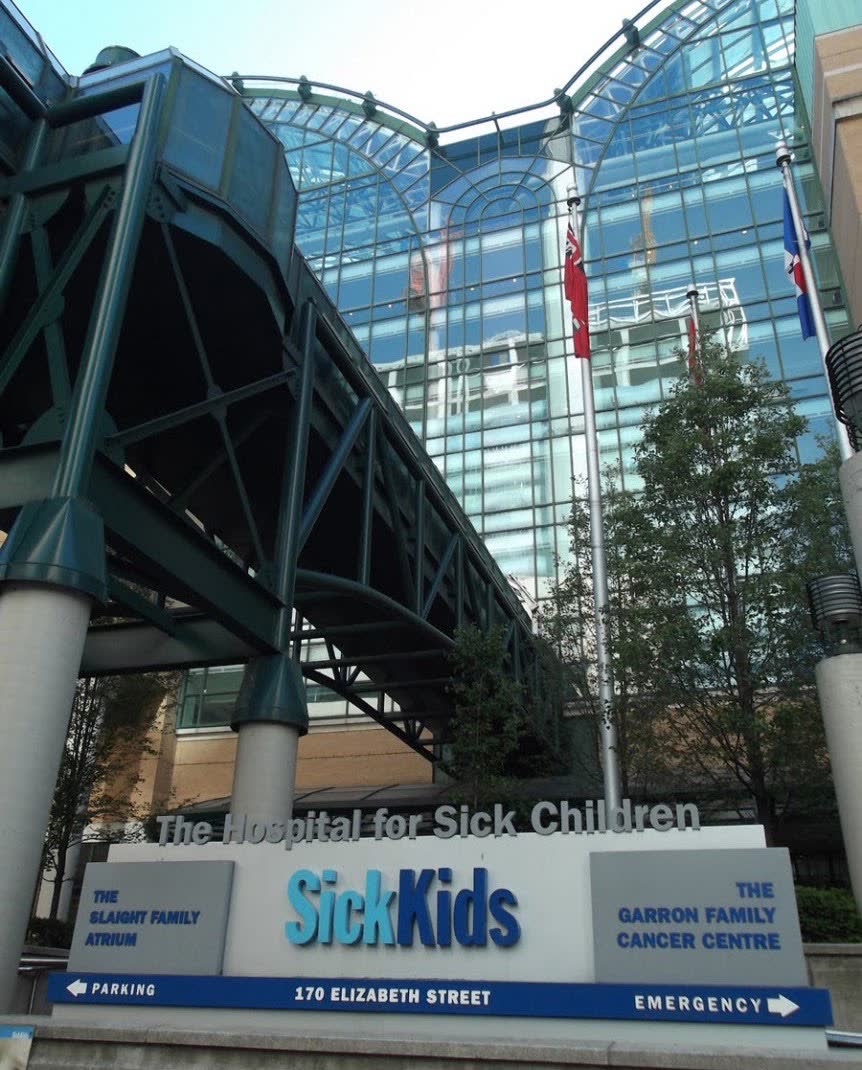
はじめまして。このプログラムは、最先端の小児医療を行うオンタリオ州最大の小児病院、トロント小児病院(通称:SickKids)での現地研修を通して、海外の病院で働く薬剤師の姿、働き方、チーム医療での薬剤師の役割など様々なことを目で見て、肌で感じ、学ぶことができるプログラムです。
研修では、薬剤部の見学、薬剤師の先生方による講義、病棟業務見学、カンファレンスへの参加等をさせて頂きました。
このプログラムに参加した一員として、現地で感じたことや学んだことを書きたいと思います。
SickKids は想像していた「病院」とは全く違った!
トロント小児病院は、私が想像していた”病院”とは全く違うものでした。
日本の病院では、医師、看護師、薬剤師が白衣を着ているのは当たり前。院内のフロアや壁紙は、白やグレーなど薄い色で統一されていることが多く、”病院にいる”ということを感じさせる独特な雰囲気が漂っているように感じます。
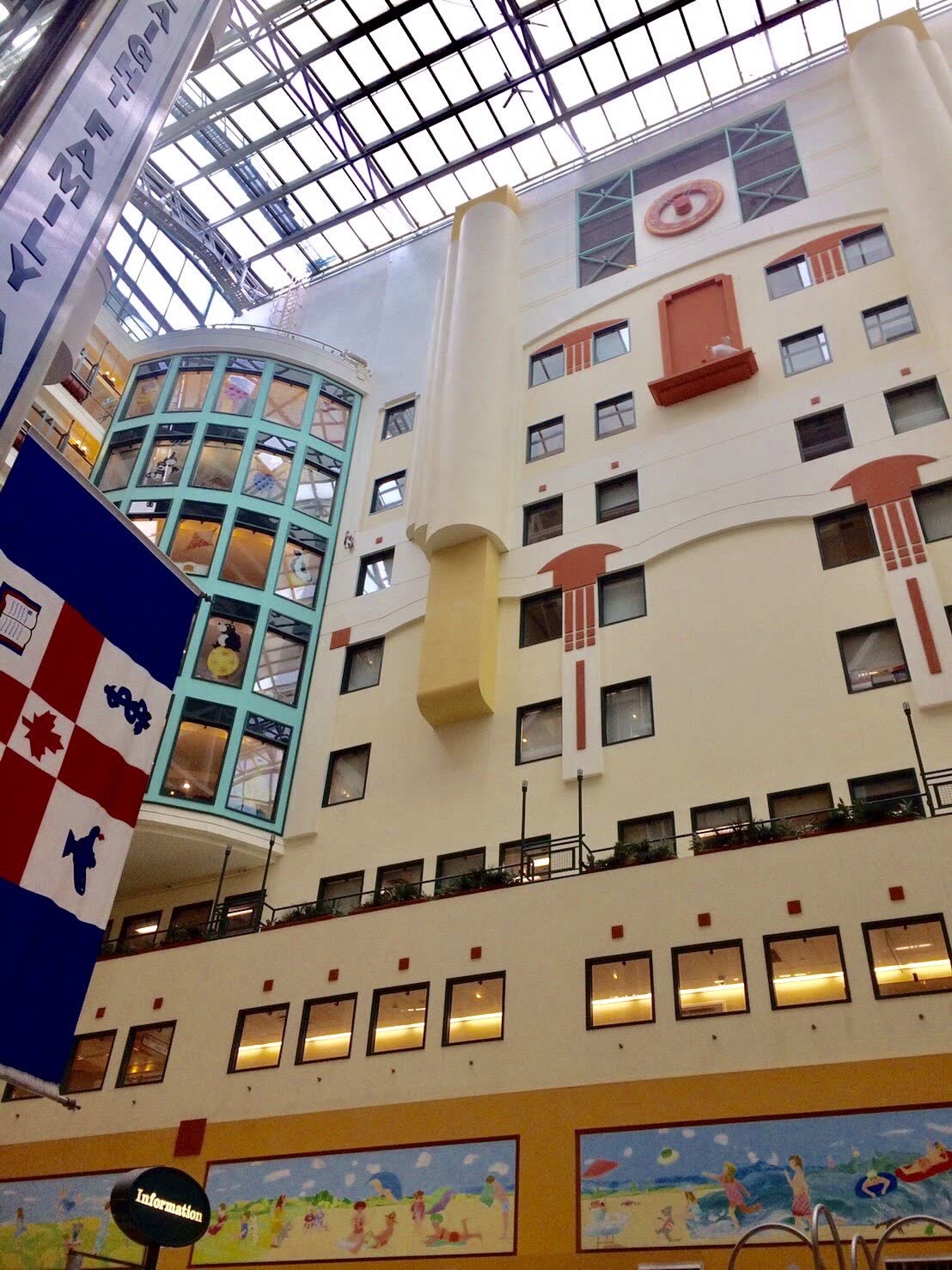
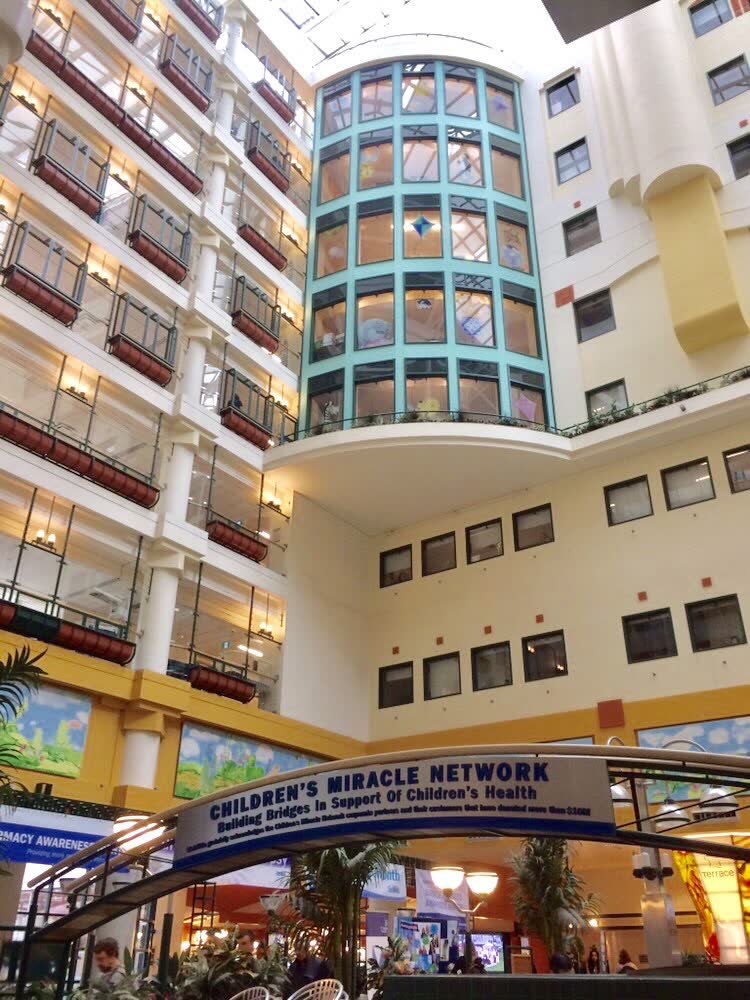
しかし、トロント小児病院を訪れて、私の常識は早々に覆されました。院内は、様々な明るい色やイラストで溢れ、それらは病院全体を明るくし、患者さんの心も明るくしているように感じました。また、看護師や薬剤師は白衣を着ておらず普段着で、白衣を着ているのは一部の医師のみ。院内を歩いていても、医療従事者か一般の人か見分けがつかないほどでした。観葉植物に覆われた休憩スペースやフードコートがあり、ショッピングモールにいるのかと錯覚するほど明るい雰囲気でした。
薬剤師は調剤をしない?!
薬剤師といえば”調剤する人”。そのようなイメージを持っている人も多いのではないでしょうか。私もこのプログラムに参加するまでは、そのイメージをもっていた一人でした。
しかし、トロント小児病院で働く薬剤師は調剤をしていませんでした。驚きです。
では、誰が調剤するのか?それは、テクニシャンです。
トロント小児病院では、薬剤師が60人、テクニシャンが100人働いています。テクニシャンは、”紙に書かれた薬を決まった棚から取り出す”、”薬を混合する”といった作業を行うことが認められている人です。テクニシャンは誰でもなれるわけではなく研修等が必要ですが、薬剤師の資格は必要ありません。薬の取り揃えや混合はテクニシャンが行い、最後の監査は専門資格をもつ薬剤師が行っていました。すなわち、テクニシャンを活用することで、薬剤師が”作業”を行う時間を減らし、その分、病棟などへ出向き、”薬剤師にしかできない”仕事を行っているとのことでした。お話しを伺ったある薬剤師さんは「働き始めて数年になるが一度も調剤をしたことがない」とおっしゃっていたほどで、1日ずっと病棟で業務を行うことが多いそうです。
これまでは、薬剤師の仕事は”調剤”という印象がありました。しかし、この研修を通して、薬剤師の最も大切な役割は、”調剤室の外にで行う仕事”、つまり、病棟へ出向いてカンファレンスに参加し、医師や看護師をはじめとする多職種と意見を交換をしたり、最適な薬物治療の提案を積極的に行ったり、患者さんのベッドサイドで直接患者さんやそのご家族とコミュニケーションをとることであると改めて感じました。
学んだことを日本での薬学教育・実践にどう活かすか
このプログラムを通して、薬剤師に対する見方が変わりました。以前は薬剤師の主な役割は調剤だと思っていましたが、臨床薬剤師にとって最も大切な役割は、毎日の多職種回診への参加や服薬指導など、病棟での活動であると学びました。だから、将来薬剤師になったときには、病棟でチームの仲間と積極的にコミュニケーションをとり、多職種チームの一員としての責任を果たしたいと思います。また、将来は海外で働きたいという気持ちも強くなりました。この貴重な経験の機会を与えてくださった先生方と両親に心から感謝しています。
このプログラムを通して…
トロント小児病院で働く薬剤師の姿に心を動かされました。
日本と異なり、薬剤師に与えられている権限が多く、薬剤師の判断で剤形・用法用量を変更し、TDMの結果を見て処方設計を行うなど、薬のことは“全て”薬剤師が任されている環境に驚きました。また、全ての調剤はテクニシャンが行い、薬剤師は皆、ほとんどの時間、病棟で業務を行う体制で、“薬剤師は薬剤師にしかできないことを行う“という働き方に魅力を感じました。
さらに、処方提案が当たり前のため、疑義照会という概念はなく、他職種と対等かつ厚い信頼関係で結ばれていることを感じてきました。何よりも薬剤師が、自分の仕事に誇りをもち、積極的に発信し、活躍している姿に感銘を受けました。
その姿を見て、薬剤師から積極的に行動を起こし、周りと関わっていく姿勢の大切さを学び、“患者さんや他職種と密にコミュニケーションをとりながら治療に携わることで発揮できる薬剤師としての役割”に興味が沸きました。将来、このプログラムで学んだことを体現できる薬剤師になれるよう頑張りたいと思います。
このような貴重な機会を与えて下さった先生方に感謝申し上げます。
Toronto Clinical Training Program Report
Introduction
Hello. This program lets you see with your own eyes, feel, and learn how pharmacists work in a hospital abroad, how they practise, and the role of the pharmacist in team-based care, through training at The Hospital for Sick Children (SickKids), the largest children's hospital in Ontario and a leader in paediatric care.
During the training we toured the pharmacy department, attended lectures by pharmacists, observed ward work and took part in conferences.
As one of the participants, I would like to write about what I felt and learned there.
SickKids was completely different from what I had imagined!
In Japan it is normal for the doctors, nurses and pharmacists who work at a hospital to wear white coats, and the walls are usually neutral colours such as white, grey and light blue. Japanese hospitals have a distinctive atmosphere that makes you feel you are in a hospital.
SickKids quickly overturned my assumptions. Colourful walls and illustrations brighten the whole hospital and cheer up the patients. The pharmacists did not wear white coats. There was a food court and a relaxing space surrounded by leafy plants. The atmosphere was so bright that I could have thought I was in a shopping mall.
Pharmacists don't dispense?!
Many people picture a pharmacist as "the person who dispenses." Until I joined this program, I was one of them.
But the pharmacists at SickKids were not dispensing. It was a surprise.
So who dispenses? Technicians.
SickKids employs 60 pharmacists and 100 technicians. Technicians are people authorized to do tasks such as picking the medicines on the order from the designated shelves and compounding. Not anyone can become a technician — training is required — but a pharmacist's licence is not. Technicians pick and compound the medicines, and the final check is done by a licensed pharmacist. In other words, by using technicians, the time pharmacists spend on "tasks" is reduced, and they go out to the wards to do the work "only a pharmacist can do." One pharmacist I spoke to said she had never dispensed once in several years of work; she often spends the whole day on the ward.
I had thought of a pharmacist's work as "dispensing." Through this training I came to feel that the most important role of the pharmacist is the work "outside the dispensary": going to the wards, attending conferences, exchanging views with doctors, nurses and other professions, actively proposing the best drug therapy, and communicating directly with patients and their families at the bedside.
Plans to apply my learning experience to my pharmacy education and practice in Japan
My view of the pharmacist changed through this program. I had thought that the main role of the pharmacist was compounding, but I learned that the most important role of a clinical pharmacist is activity on the ward, such as attending the daily interdisciplinary bedside rounds and medication counselling. So when I become a pharmacist I want to communicate actively with the other team members on the ward and fulfil my responsibilities as a pharmacist in an interdisciplinary team. I also felt strongly that I want to work overseas in the future! I am truly grateful to my teachers and my parents for giving me this precious experience.
Through this program…
I was moved by the pharmacists working at SickKids.
Unlike in Japan, pharmacists have wide authority: they change dosage forms, doses and regimens on their own judgement, design prescriptions based on TDM results — everything about the medicines is entrusted to the pharmacist. All dispensing is done by technicians and the pharmacists spend almost all their time on the wards; I found this way of working — "pharmacists do what only pharmacists can do" — very appealing.
Because proposing prescriptions is the norm, there is no concept of the "prescription query"; pharmacists work as equals with the other professions, bound by deep trust. Above all, I was impressed by pharmacists who take pride in their work, speak up, and take the lead.
Seeing them, I learned the importance of pharmacists taking the initiative and engaging with those around them, and became interested in "the role a pharmacist can play by being involved in treatment through close communication with patients and other professions." I want to become a pharmacist who embodies what I learned in this program.
I am grateful to the teachers who gave me this valuable opportunity.