Field Study 現地研修
Day 1 Toronto Sightseeing
Pharmacy in Toronto.
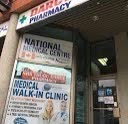
トロント市内の薬局.STARBUCKSやSUBWAYなどが乱立している中,Pharmacy(地域の薬局/一般的な薬局の意味合いでは,Community Pharmacyという用語で用いられる)やDrugstoreの存在も目立つ.
→Pharmacyは,コーヒーショップと同じくらい存在しているのだそう.
Rexallというドラッグストア (DS)がトロント市内を席巻しているが,これは,カナダにてチェーン展開しているDSのようだ.
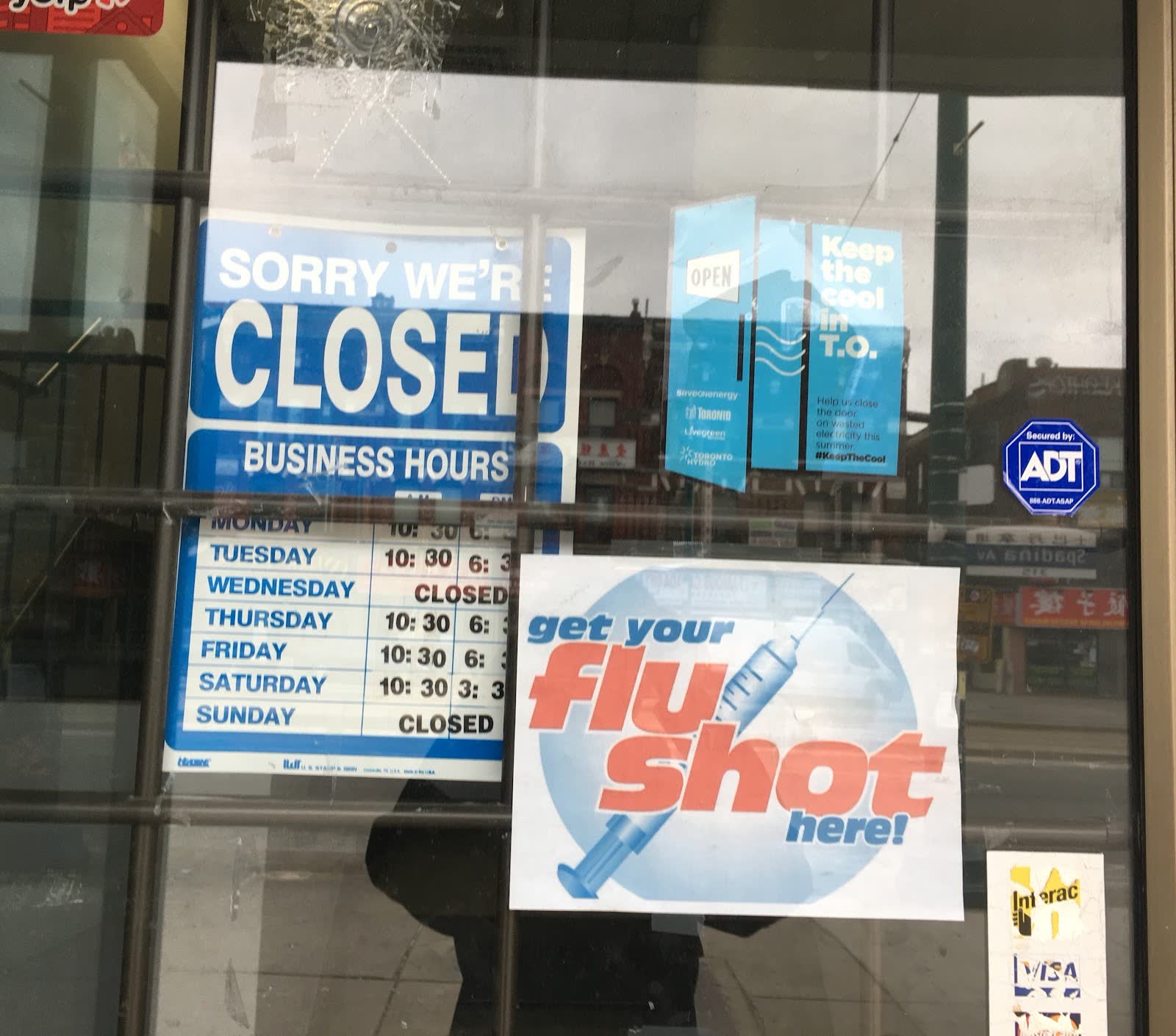
”flu shot”の広告が.
日曜日は閉まっている.店舗が開くのも10:30と遅め.
特徴的なのは,”flu shot”の広告.カナダでは薬剤師によるインフルエンザの予防接種が認められている(別途,免許が必要).日本では,薬剤師が患者へと触れること,いわゆる医療行為は認められておらず,血圧測定なども
測定補助といった名目や,副作用モニタリングの一貫という体で実施しているのが現状だがカナダでは異なるようだ.
Day 2 SickKids Lecture
2-1. Hospital tour
<Childlifeという考え方・資格>
・Dog THERAPY(antibiotic検査済み)
・多くのボランティアがsickkidsにいる.夏にはsummer volunteerとして多くのボランティアが来る
・ボランティアには専用のTシャツあり
・Sickkids Vs.という広告.Kidsを戦う人/戦士とし,oddsやimpossibleといった,彼らへの不合理に立ち向かう様を表す.
2-2. The role of pharmacy in the interdiscipline team
<薬剤師の7か条>
→薬剤師は常に見えるところにいるべきだ。
2-3. PK/PD in the pediatric
→子供は大人のミニチュアではない.
Day 3 SickKids Lecture
3-1. TDM
日本と根本的な概念は同じ.
しかしながら,pediatricな領域では,エビデンスが少なく,エビデンスの創出などから始めることも多い.
TDM対象薬品も異なる.日本と使用する容量も異なる.
3-2. DI
◯誰に対して情報提供をするのか
1 Parent
2 Out side physician/pharmacist
75%の薬が,小児に関する情報がないのが現状であり,小児科領域に特化した病院だからこそ,DIには力を入れている.
□Lexicomp
二次資料を,Sickkids用に改良して使っている.
他に,感染症領域であれば,REDBOOKを使う.しかし,あくまで,"Firstday to use"を決定するだけ.
理由としては,都市によって,耐性菌の出現頻度が異なるため,同じ薬を使えば効くというものではないから.
□Trisse's TM
ルートから点滴する際に,投与したい薬剤を混ぜてよいかを調べることができる.
特に,乳幼児は,Single Lineで行くため,相互作用などは重要である.
3-3. BPMH
退院時処方や,日々の院内処方において効果を発揮する.
チェックする項目
1 処方薬
2 OTC
3 Cream,Drop(飴状の薬剤なども存在するため)
4 Herb(Chinese medicine)
5 Supplement など
加えて,Feeding tubeを使っている場合は、、、
1 Concentration
2 Name
3 Dose
4 Form
5 Recently dosage change なども確認する.
アレルギーなども確認し,いつ,どこに,どのような状態でアレルギーが出たのかも確認する.
Preparation Study 事前学習
10月のトピック
病院と薬局で実務実習を行い、インターンとして働きながら、医療行政の仕組みを含む日本の制度について学びました。また、講義を通して小児と高齢者の薬物動態を学び、薬物治療、特に感染症の分野は自分で勉強しました。実習を通して薬物動態が日々の業務で重要だと分かったので、独学で学びました。
特に、私の実習先は京都の高齢者の多い地域だったので、高齢者向けの処方をたくさん見ることができ、高齢者の薬物治療を学べました。そのため「小児と高齢者」「日本の高齢者薬物治療とカナダのそれ」の違いを比較することができます。
その他
トロントの写真
◯Places to stay
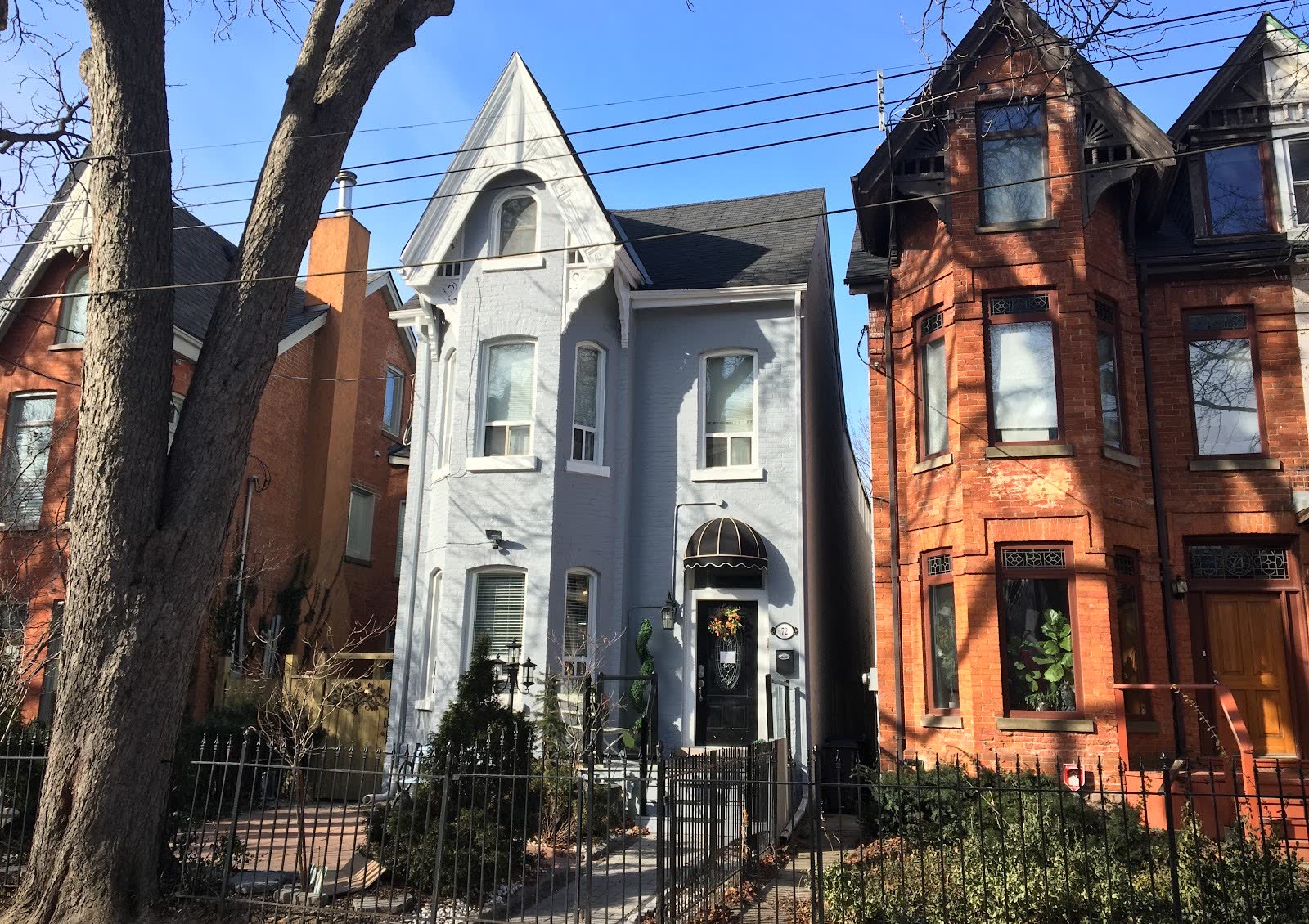
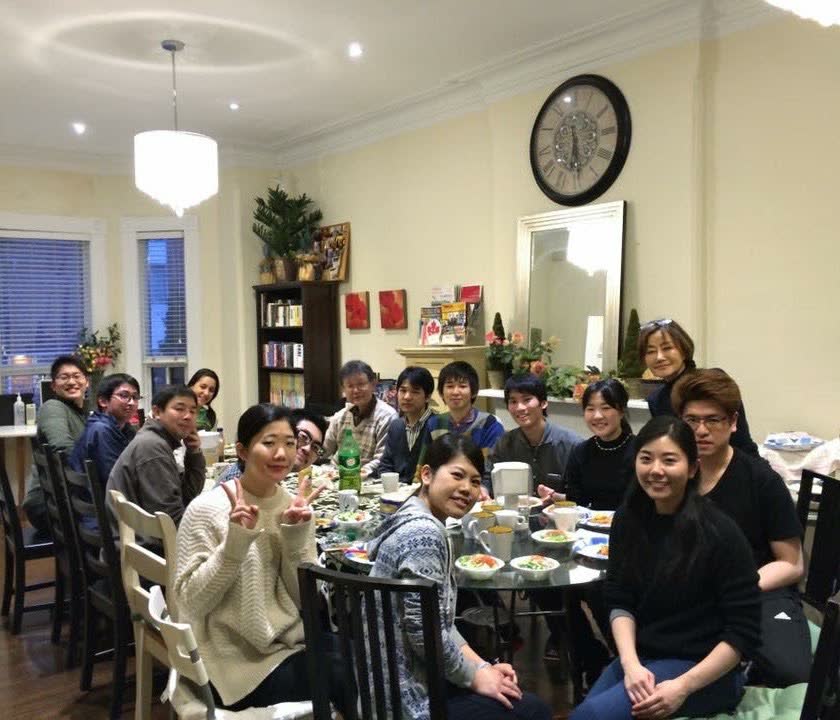
SWEET HEART B&B
◯Toronto City / Niagara Falls
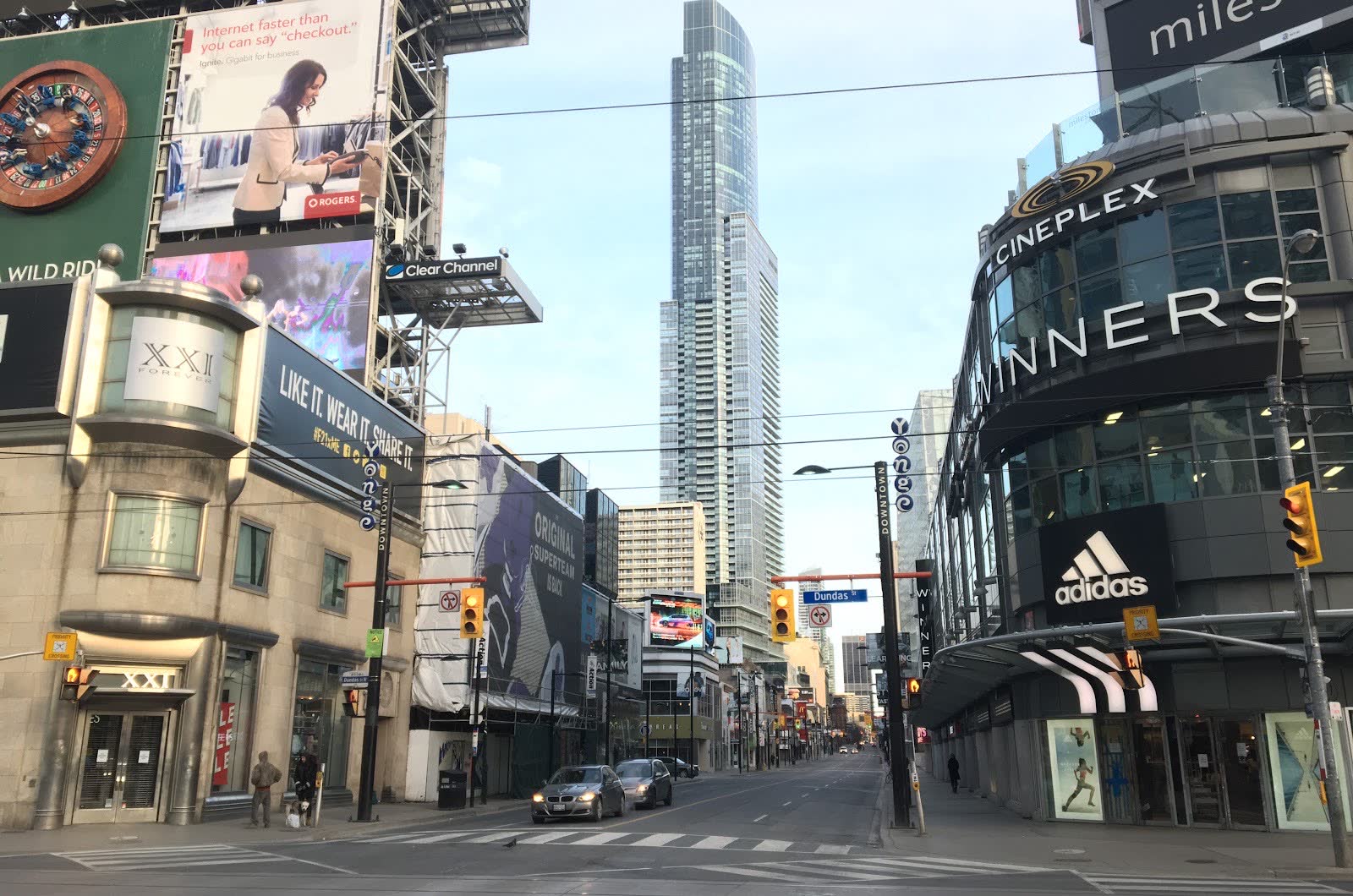
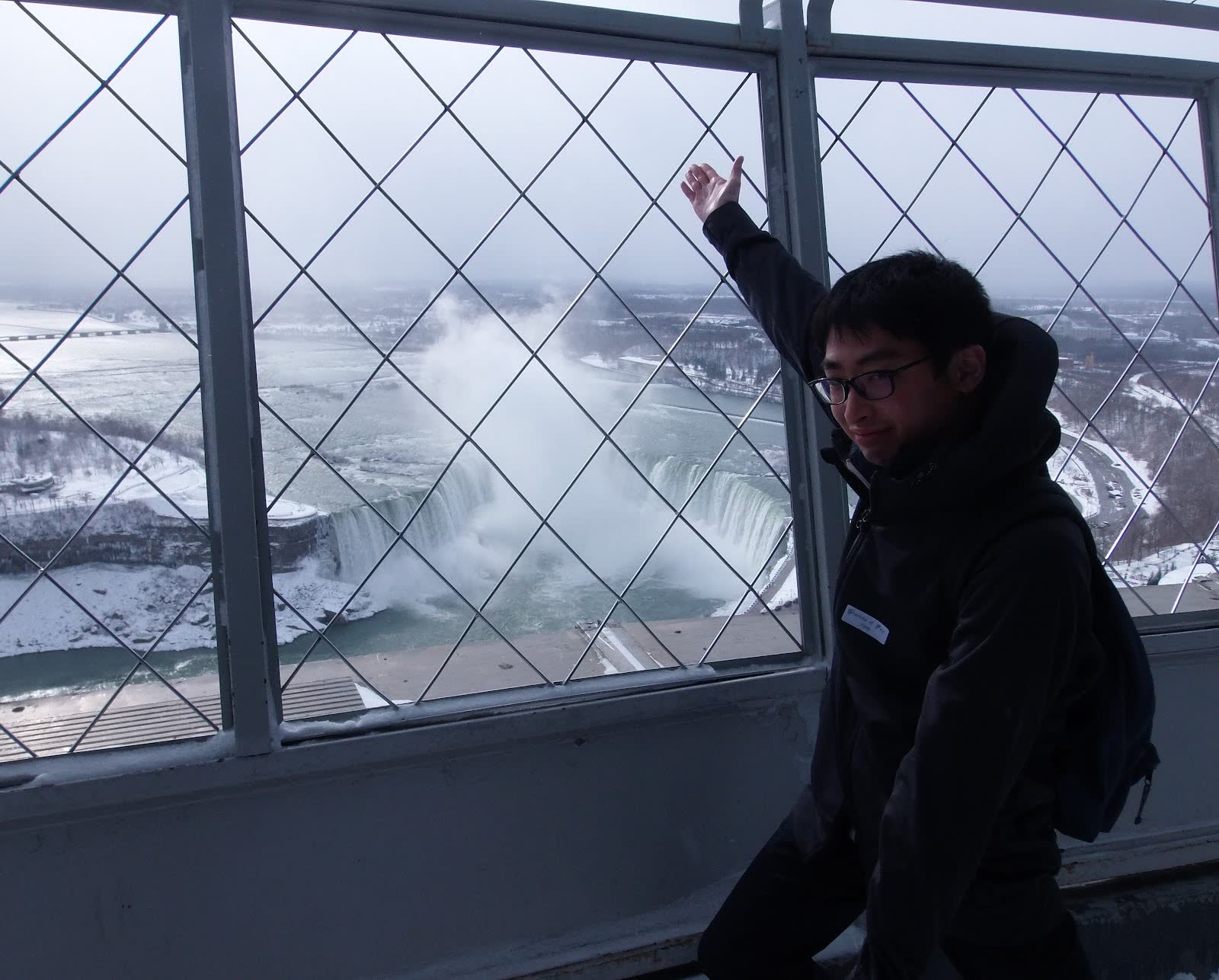
Field Study
Day 1: Toronto sightseeing
Pharmacies in Toronto
Pharmacies in the city: among all the Starbucks and Subways, pharmacies (in the sense of local pharmacies, the term "community pharmacy" is used) and drugstores also stand out.
→ Apparently there are as many pharmacies as coffee shops.
A drugstore chain called Rexall dominates the city; it seems to be a chain that operates across Canada.
"Flu shot" advertisements
Closed on Sundays, and shops open late, at 10:30.
What stands out are the "flu shot" advertisements. In Canada pharmacists are allowed to give influenza vaccinations (a separate licence is required). In Japan, pharmacists are not allowed to touch patients — so-called medical acts — and even blood pressure measurement is done under the name of "assisting measurement" or as part of adverse-effect monitoring. Canada is clearly different.
Day 2: SickKids lectures
2-1. Hospital tour
<The concept and qualification of "Child Life">
・Dog therapy (the dogs are screened for antibiotic-resistant bacteria)
・Many volunteers work at SickKids; in summer many come as summer volunteers
・Volunteers have their own T-shirts
・The "SickKids VS" campaign: it portrays the kids as fighters, standing up to the odds and the "impossible."
2-2. The role of pharmacy in the interdisciplinary team
<Seven principles for pharmacists>
→ The pharmacist should always be visible.
2-3. PK/PD in paediatrics
→ Children are not miniature adults.
Day 3: SickKids lectures
3-1. TDM
The basic concept is the same as in Japan.
In paediatrics, however, there is little evidence, and often they have to start by generating the evidence themselves.
The drugs monitored differ, and so do the doses used compared with Japan.
3-2. Drug information (DI)
◯ Who do they provide information to?
1. Parents
2. Outside physicians / pharmacists
75% of drugs have no paediatric information, and precisely because this is a hospital specializing in children, they put great effort into DI.
□ Lexicomp
A secondary source, adapted for use at SickKids.
For infectious diseases they use the Red Book — but only to decide the "first day to use."
The reason is that the frequency of resistant organisms differs from city to city, so the same drug does not necessarily work everywhere.
□ Trissel's
Used to check whether drugs can be mixed when infusing through a line.
Interactions are especially important for infants, who are given everything through a single line.
3-3. BPMH (Best Possible Medication History)
Effective for discharge prescriptions and for day-to-day inpatient prescribing.
Items checked:
1. Prescription drugs
2. OTC
3. Creams, drops (there are also lozenge-type products)
4. Herbs (Chinese medicine)
5. Supplements, etc.
In addition, if a feeding tube is used:
1. Concentration
2. Name
3. Dose
4. Form
5. Recent dosage changes, and so on.
Allergies are also checked — when, where and in what situation the allergy occurred.
Preparatory study
[October topic]
I went for practical training in a hospital and a pharmacy, worked there as an intern and studied the Japanese systems, including the medical administration system. I also learned pharmacokinetics in the paediatric and elderly fields through lectures, and pharmacotherapy, especially in infectious disease, on my own. Through the practical training I found that pharmacokinetics is important in daily work, so I studied it by myself.
In particular, my training site was in an area of Kyoto with many elderly people, so I saw many prescriptions for the elderly and could learn pharmacotherapy in that field. I can therefore compare the "paediatric field and the elderly field," and "Japanese pharmacotherapy in the elderly field and the Canadian one."
Others
Photographs of Toronto
◯ Where we stayed
Sweet Heart B&B
◯ Toronto city / Niagara Falls