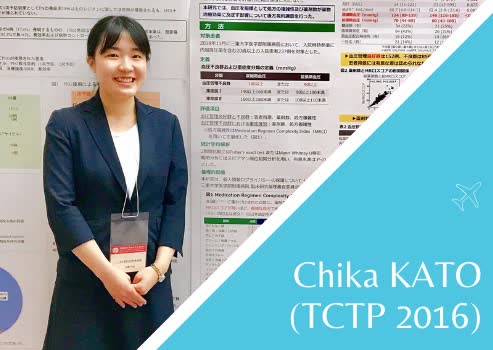
大学卒業後は病院薬剤師のレジデントに
ー現在のお仕事について教えて下さい。
三重大学医学部附属病院で病院薬剤師をしています。医師に研修医制度があるように、薬剤師にも薬剤師レジデント制度という臨床研修制度があります。私は大学卒業後の2年間レジデント研修を経験し、今年(2020年)の3月に修了後、現在は職員として働いています。
レジデントとして全ての部署を周りながら学ぶ
ーレジデント生活について教えていただいてよろしいですか?
薬剤部でも飲み薬の内服や注射などの調剤をする部署、抗がん剤の調製を行う部署など、様々な部署がありますが、レジデントは一年目のうちにすべての部署をローテーションし、先にすべての業務を学ぶカリキュラムになっています。
職員の場合でも何年かかけて色々な部署を回りますが、レジデントは2か月ごとにローテーションし、一年で全ての部署を経験できるようなカリキュラムが組まれています。
ー全ての部署をローテーションし、二年目は何をするのですか?
二年目は、病棟で活動します。病棟にも各フロアにサテライトファーマシーという薬剤師が仕事する場所がありますが、そこに朝から晩までいます。病棟専任の薬剤師のもとで研修をさせていただきながら、病棟業務で医師の先生と患者さんのベッドサイドなどでチーム医療について学ぶ一年間です。
職員の方だと、一つの部署だけを担当しますが、レジデントになると様々な疾患をローテーションして学べたので、そこがレジテントを選び、学べて大変よかった点だと思っています。
レジデント時代に優秀ポスター賞を受賞
―レジデント時代の研究について教えて下さい。
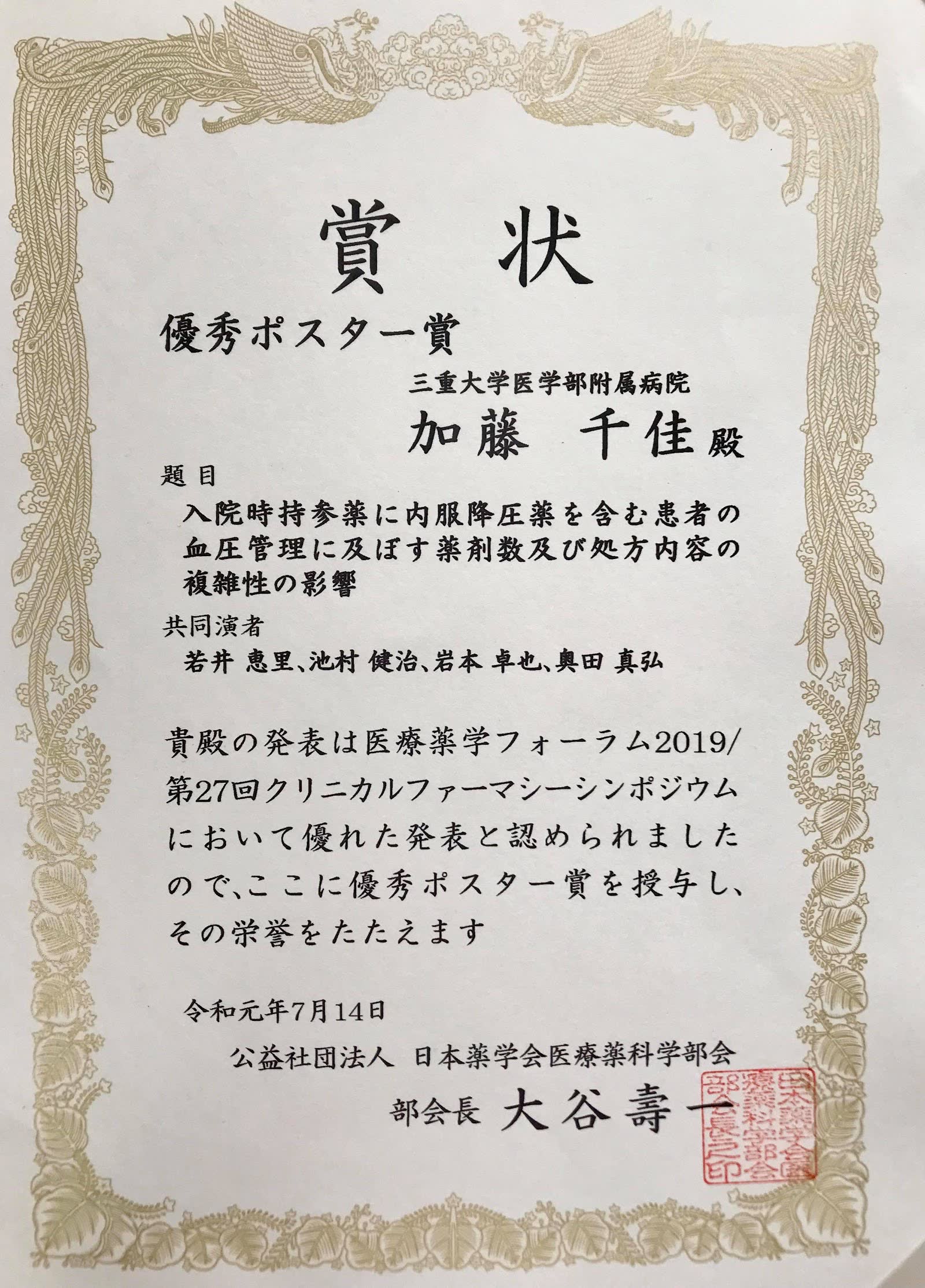
昨年7月に、日本医療薬学フォーラムという学会で発表させていただき、先生方の指導のおかげで、優秀ポスター賞をいただくことができました。
ーおめでとうございます。業務を終えてから研究するのですか?
業務が終わった後に、カルテ調査などの研究活動を行っています。今回の研究は、患者さんは病院に元々飲んでいる薬を持参されることが多く、それを持参薬と言いますが、病院に薬を持ってきたときに、薬の処方の内容が複雑であるほど、血圧のコントロールは不良になるという結果を導きました。
最近はポリファーマシーといい、色々な種類の薬を飲んでいる方が多くなっています。一般的には、薬の薬剤数が多いほど、その方のコンプライアンスや治療の内容に影響を及ぼすということは言われているのですが、薬の数だけでなく、薬の用法、例えば一日一回のものと一日三回のものが混在しているなど、薬の飲み方や処方内容の複雑性も、治療効果や血圧管理に影響を及ぼすという発表をさせていただきました。
ーとても患者さんに近い研究で、私にもイメージが掴みやすいです。
そうですね。今回はカルテ調査で、過去にさかのぼって研究を行いましたが、将来的には、現在飲まれている薬の複雑性などを考慮して、薬剤師として、その方の治療効果などに介入しながら、前向きな研究にも繋げていけたらなと考えています。
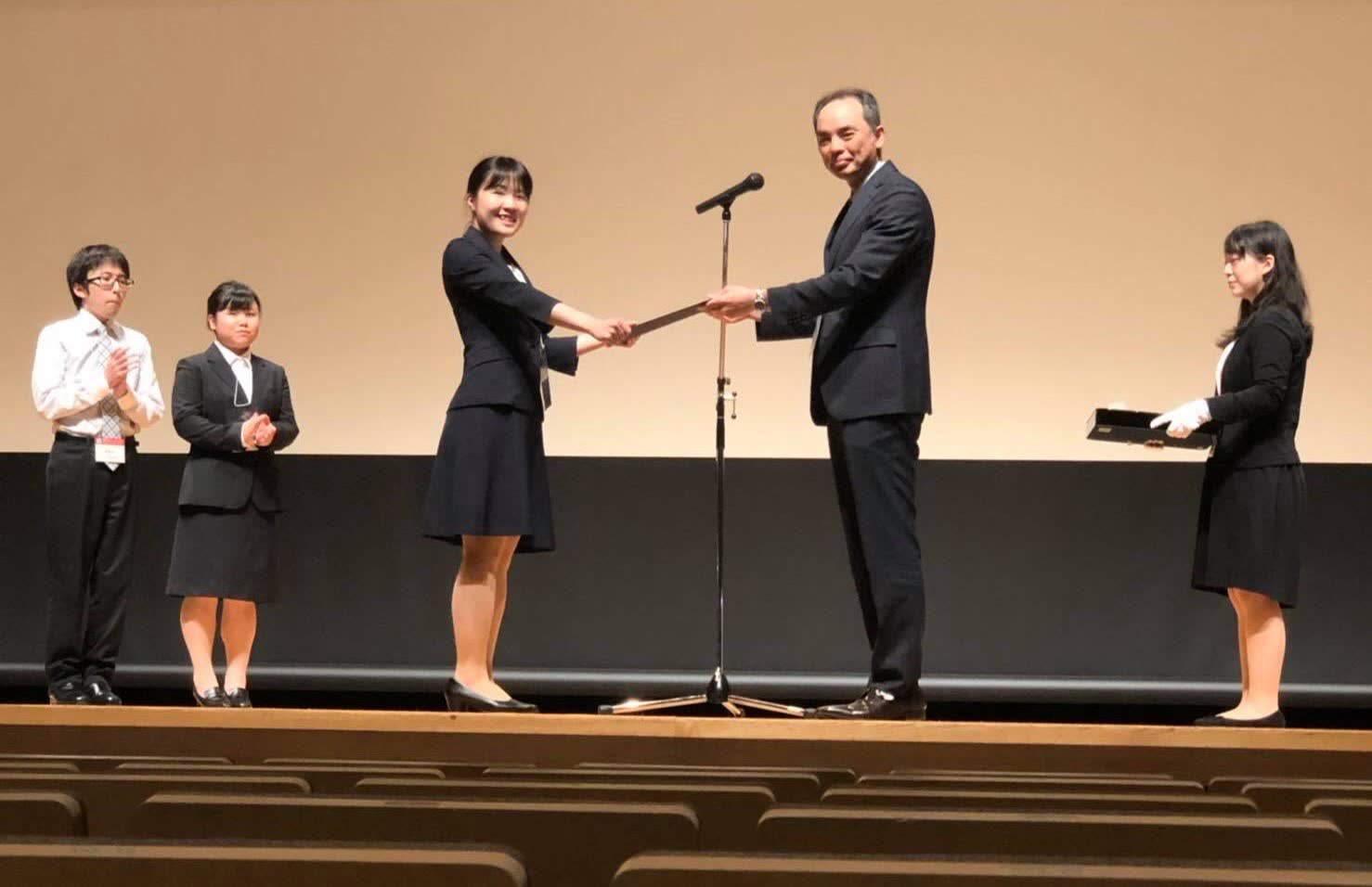
日本医療薬学フォーラムの受賞式にて(2019年)
患者さんの何気ない一言が、治療方針のキーになることも
ー今一番やりがいを感じているのはどのようなことですか?
ベッドサイドで患者さんとコミュニケーションをとる中で、患者さんが困っていること、体に出ている症状についての訴えの聞き取りを行い、薬剤師として医師に薬の提案をすることです。その薬を患者さんが実際に飲むことで、症状が改善したときに、患者さんから、「ありがとう」や、「話を聞いてもらえて助かった」などの言葉をかけてもらったときに、薬剤師としてのやりがいを感じます。
ー実験室から患者、患者から実験室をつなぐbench-to-bed, bed-to-benchという言葉を聞いたことがありますが 、薬剤師は患者と医師をつなぐという役割もあるのですか?
はい、やはり患者さんも直接医師の先生には言いにくい内容もありますし、患者さんと関係性を築いていく中で、何気ない会話の中でポロっと仰ったことが治療方針を考えていくうえで、重要なキーになることもあるなど、色々な立場から患者さんを見ることで得られることも多く、薬剤師として聴取したことは、医師など他の方にフィードバックをしてチーム医療が出来るようにしているので、医師と患者さんをつなぐことも業務の一つだと思っています。
患者さんとのコミュニケーションはすごく大切にしています。
留学を通じて「自分の目指す薬剤師像」が明確に
ー学生の時から病院薬剤師になると決めていたのですか?
病院薬剤師になりたいという漠然とした思いは、5回生の実務実習を経験して持っていたのですが、TCTPを通じてトロント小児病院での研修に参加し、自分の目指す、自分のなりたい薬剤師像がとても明確になりました。
ーここからはTCTPについて伺いますが、まず全体的にどうでしたか?
全体的な感想としては、プログラムに参加して本当に良かったと思います。
初めは「英語が大丈夫かな?」「行って何か得られるものがあるかな?」と悩んでいましたが、思い切って行って良かったと感じています。
薬剤師が情報発信して活躍する姿に心を動かされる
ー当時は一週間のプログラムでしたが、特に印象に残っていることはありますか?
病棟体験をさせていただいた際に、薬剤師の方々が自分の仕事に誇りを持ち、文献などのエビデンスに基づきながら、薬剤師の側から情報発信して活躍している姿です。とても心を動かされました。
ーなるほど、私もDon’t hide behind the counter.という、薬剤師が情報発信をしていこうという言葉を薬剤師の先生が言っておられたのを思い出しました。
薬剤師に与えられている権限がカナダでは大きく、薬剤師の判断で用法容量を変更したり、処方設計を行ったり、薬のことはすべて薬剤師に任されていることに驚きました。
それとともに、トロント小児病院の薬剤師は、調剤はすべてテクニシャンに任せていたことがとても印象に残っており、薬剤師は外に出て、カンファレンスに参加するなど、薬剤師にしかできない仕事をしているという働き方にとても魅力を感じました。
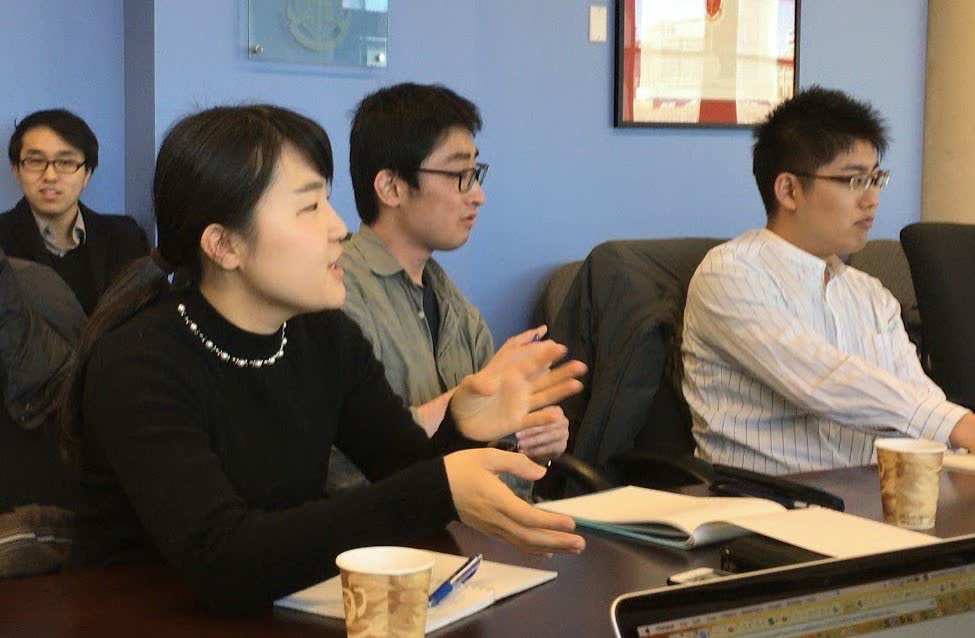
トロント大学薬学部との交流会にて(2017年)
留学を通じて「自分が大事にすべき軸」が明確に
ーその経験を今生かして今があるのですね。
ありがとうございます。トロント小児病院で、薬剤師は薬剤師にしかできない仕事をするという働き方に感銘を受けたので、日本に帰ってきて、将来自分が就職をするとなったときに、自分が何を大事にしたいかを明確に持ち、それを軸に就職活動を行うことができましたし、今の職場でも、その軸を持って、もっと頑張りたいと思う源に、トロント小児病院の研修がなっています。
(学部時代に)英語で発表するだけでなく、場を回し、コメントをする機会は貴重だった
ー学部時代にさかのぼります。忙しい薬学部で、選択科目のJP2含め、全ての英語プログラムに挑戦してもらっていましたね。JP2には薬学部生はほとんどいませんでしたが、漢方の発表をしていたのを覚えています。
生薬の研究室に所属する前で、漢方に興味があり、発表させてもらいました。
学生の時は、大変さなどはあまり感じていませんでした。とにかく英語が好きで、JP2も受講し、大学でもなるべく長く英語を学べる時間が欲しいと思っていました。
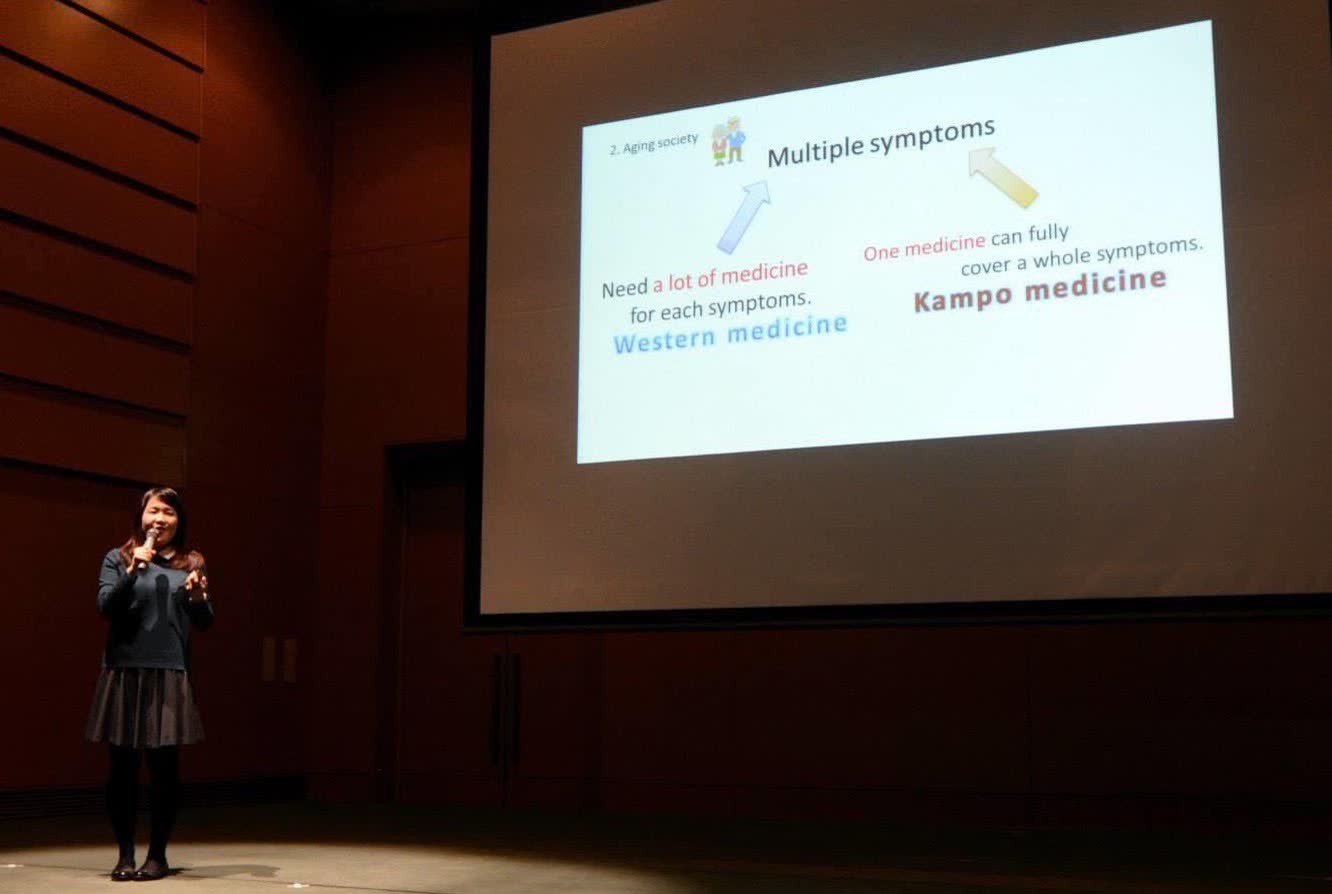
3回生 JP2での漢方に関する発表
ー英語の授業などで印象に残っていることはありますか?
(英語Pでは)プレゼンテーションをたくさんし、学生同士で英語でモデレートや司会進行などをしたことがとても印象に残っています。自分が発表するだけでなく、英語でその場を回し、発表された方に対して英語でコメントをしたりする機会は貴重だったと思います。
ー現在英語を使うのは、論文を読むときですか?
そうですね、今は論文を読むのに英語を使っています。
どうしても子供の小児領域になると、治療法が確立されていないことも多く、海外で行われた臨床試験の結果や症例報告の英語文献を読み、薬の用法用量、生じる副作用、期待される効果を読み解く力が薬剤師には求められるので、そういう部分では、大学で学んだ英語の経験が今に活きていると思います。
後輩へのメッセージ
―最後に後輩へのメッセージをお願いします。
TCTPに参加し、そこで何を感じてくるかが一番大事だと思います。
現地で働いている薬剤師の姿を自分の目で見て、その空気を感じてくるだけでも十分大きな収穫になると思います。私は参加したことで、自分が目指すもの、理想の薬剤師像が明確になりました。日本との違いを知るだけでも、視野が広がり、薬剤師がこんなに素敵な職業だったんだとその場で感じ、もっと頑張ろうと思うきっかけになりました。
実際に薬剤師として働く前に、TCTPのような体験をしておくことが大切だと感じています。
もし英語に不安があったとしても、参加するだけでも必ず何か得るものがあるので、勇気をもって参加していただけたらなと思います。
A hospital pharmacy residency after graduation
— Tell us about your current work.
I am a hospital pharmacist at Mie University Hospital. Just as doctors have a residency system, pharmacists have a clinical training system called the pharmacy residency. I did a two-year residency after graduating, completed it in March this year (2020), and now work as a staff pharmacist.
Learning by rotating through every section as a resident
— Could you tell us about life as a resident?
The pharmacy department has many sections — dispensing of oral medicines and injections, preparation of anticancer drugs, and so on. The residency curriculum has you rotate through all of them in the first year, so that you learn every area of work first.
Staff pharmacists also move through the sections over several years, but residents rotate every two months, so that you experience every section within a year.
— After rotating through all the sections, what do you do in the second year?
In the second year you work on the wards. Each floor has a satellite pharmacy where pharmacists work, and you are there from morning to night. Training under the ward pharmacist, you spend a year learning about team-based care at the bedside with the doctors and patients.
A staff pharmacist is responsible for one section, but as a resident I could rotate through and learn about many different diseases — that is what made choosing the residency so worthwhile.
A best poster award during the residency
— Tell us about your research as a resident.
Last July I presented at the Japanese Society of Pharmaceutical Health Care and Sciences forum and, thanks to my supervisors, received a best poster award.
— Congratulations. Do you do research after your regular work?
Yes, after work I do research such as chart reviews. Patients often bring the medicines they are already taking when they are admitted — we call these "brought-in medicines" — and this study showed that the more complex the prescription they bring, the poorer their blood pressure control.
These days many people take many kinds of medicines — what is called polypharmacy. It is generally said that the more drugs a person takes, the more it affects adherence and treatment, but I presented that not only the number of drugs but also the complexity of how they are taken — for example a mix of once-daily and three-times-daily drugs — affects treatment outcomes and blood pressure control.
— That is research very close to patients; it is easy even for me to picture.
Yes. This time it was a retrospective chart review, but in future I would like to move on to prospective research in which, as a pharmacist, I take the complexity of the patient's current medicines into account and intervene in their treatment.
A patient's casual remark can be the key to the treatment plan
— What gives you the most satisfaction right now?
Talking with patients at the bedside, listening to what troubles them and the symptoms they feel, and proposing medicines to the doctor as a pharmacist. When the patient actually takes the medicine and the symptoms improve, and they say "thank you" or "it helped to have someone listen," I feel the reward of being a pharmacist.
— I have heard the phrases "bench to bedside" and "bedside to bench," connecting the laboratory and the patient. Do pharmacists also have a role in connecting patients and doctors?
Yes. There are things patients find hard to say directly to the doctor, and as you build a relationship with a patient, something they let slip in casual conversation can become an important key when thinking about the treatment plan. Seeing the patient from many angles brings a great deal, and what I hear as a pharmacist I feed back to the doctor and others so that we can practise team-based care — so connecting doctor and patient is part of the job.
I place great importance on communication with patients.
Study abroad made clear the pharmacist she wants to be
— Had you decided to become a hospital pharmacist while still a student?
I had a vague wish to become a hospital pharmacist after my fifth-year clerkship, but taking part in the training at SickKids through TCTP made the pharmacist I aim to be — the pharmacist I want to become — very clear.
— From here I'd like to ask about TCTP. First, how was it overall?
Overall, I am really glad I took part.
At first I worried, "Will my English be all right?" and "Will I get anything out of going?" — but I'm glad I took the plunge.
Moved by pharmacists who speak up and take the lead
— It was a one-week program then. Is there anything that particularly stayed with you?
During the ward experience, the pharmacists took pride in their work and, based on evidence from the literature, actively put forward information themselves. I was deeply moved.
— I see. That reminds me of a pharmacist there who said "Don't hide behind the counter" — pharmacists should speak up.
I was surprised at how much authority pharmacists have in Canada — changing doses and regimens on their own judgement, designing prescriptions; everything about the medicines is entrusted to the pharmacist.
It also stayed with me that pharmacists at SickKids left all the dispensing to technicians. Pharmacists going out onto the wards, attending conferences, doing the work only a pharmacist can do — that way of working was very appealing.
Study abroad clarified what she should hold on to
— So you are making use of that experience now.
Thank you. At SickKids I was impressed by the way pharmacists do the work only pharmacists can do, so when I came back to Japan and it came time to look for a job, I had a clear sense of what mattered to me and could job-hunt around that. In my current workplace, too, the SickKids training is the source of my wish to keep that focus and work harder.
As a student, moderating and commenting in English — not just presenting — was valuable
— Going back to your undergraduate days: in a busy pharmacy program you took on all the English courses, including the elective JP2. There were hardly any pharmacy students in JP2, and I remember you presenting on Kampo medicine.
That was before I joined the natural products laboratory; I was interested in Kampo and was allowed to present on it.
As a student I didn't really feel it was hard. I simply loved English, took JP2, and wanted as much time as possible to study English at university.
— Is there anything from the English classes that stayed with you?
In the English program we gave many presentations, and what stays with me most is moderating and chairing sessions in English among ourselves as students. Not just presenting, but running the session in English and commenting on other presenters in English — those opportunities were valuable.
— Do you use English now mainly for reading papers?
Yes, now I use English to read the literature.
In paediatrics there are often no established treatments, so pharmacists need to read English reports of overseas clinical trials and case reports and work out the dosage, the side effects that may occur and the expected effects. In that respect the English I learned at university is serving me now.
A message to younger students
— Finally, a message to the students who come after you.
I think the most important thing is to take part in TCTP and see what you feel there.
Just seeing with your own eyes the pharmacists working there and feeling the atmosphere is a big enough gain in itself. Taking part made clear to me what I aim for — my ideal of a pharmacist. Just knowing the differences from Japan widened my view; I felt on the spot what a wonderful profession pharmacy is, and it made me want to work harder.
I think it is important to have an experience like TCTP before you actually work as a pharmacist.
Even if you are worried about your English, you will certainly gain something just by taking part, so I hope you will find the courage to go.