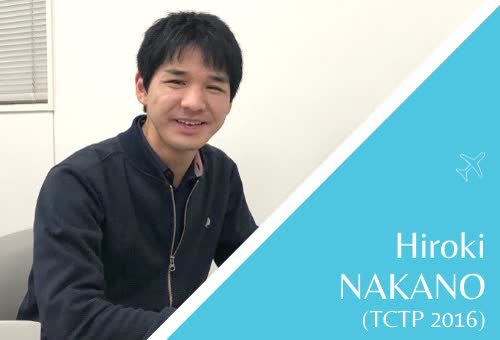
SickKidsでの病棟体験
―5回生の時の留学体験、TCTPについて今思うことをお聞かせください。まず、SickKids(トロント小児病院)での体験はどうでしたか?初年度は、プログラム期間が1週間しかなかったので、あっという間のことだったと思いますが…
中野: 特に印象に残ったのは、病棟薬剤師業務に同行させていただいたことです。小児科には重症な子どもも多かったんです。例えば白血病ですが、慢性ではなく急性のリンパ性白血病患者でしたので、そういった病棟に入るのはとても貴重な経験でした。
―TCTP参加者の誰に尋ねても、病棟体験が一番心に残っていると言いますね。
中野: はい。僕も木曜日に病棟に行ったことを今でも良く覚えています。日本での病院・薬局実習を経験した後だったので、日本での経験との比較もできました。
―SickKidsでの薬剤師業務については、何を学びましたか?
中野: 僕が同行させていただいた薬剤師は、日本でいう疑義照会に当たることをしていました。あとは小児科なので、服薬指導の相手は基本的に患者の保護者になるのですけれど、分かりやすく薬物治療の説明をされていました。SickKidsの薬剤師は皆さん忙しそうでしたね。また、薬剤師はEBMを重視していたと思います。文献を読み、特に数字を重視していた印象です。
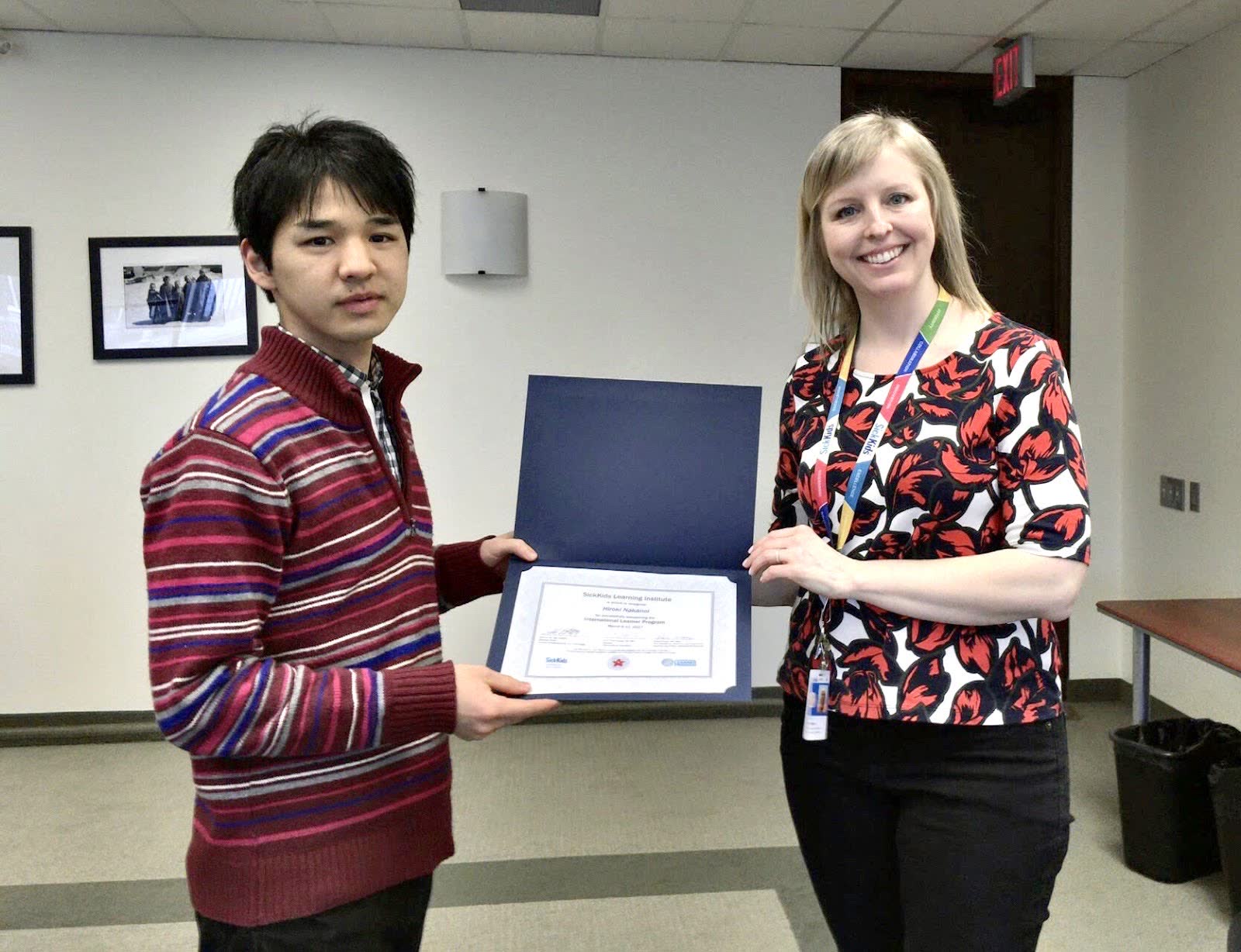
トロント大学薬学部の学生は圧倒的に質問が多い
―トロント大学薬学部の授業にも参加しましたね。どうでしたか?
中野: 口内炎についての授業が印象に残っています。口内炎って割とOTCで色々売られてますよね。トロント大学での授業では、SickKidsの先生が実際にサンプルを色々と持ってきて説明してくれたと思うのですけれども、あれはいいなぁと思いましたね。
―トロント大学の学生についてはどのような印象を持ちましたか?
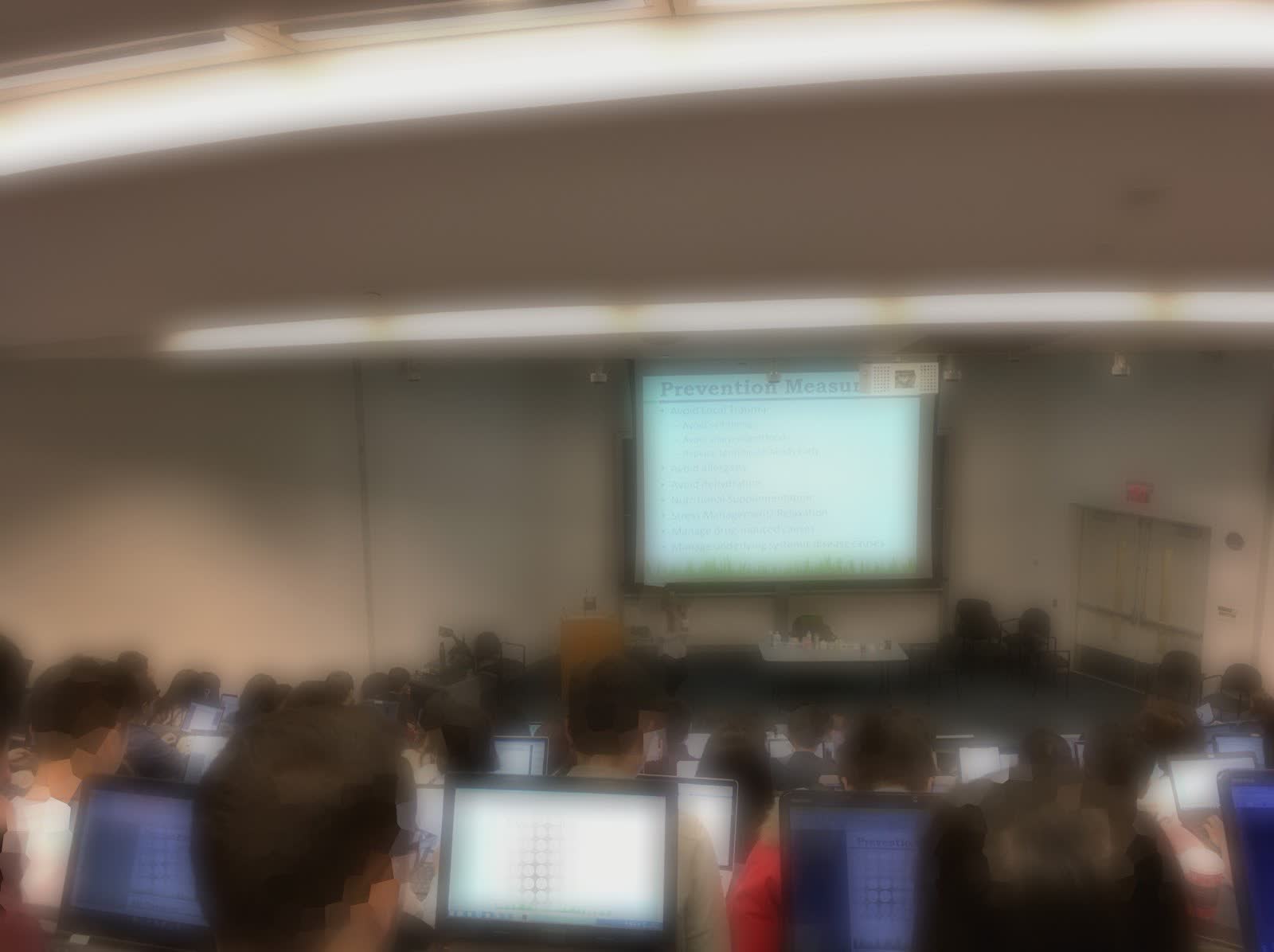
中野: 学生からの質問が日本に比べて圧倒的に多かったです。授業中にたくさん質問するじゃないですか。質問するということは、それだけしっかり学んでいるということですよね。授業後にも質問の列ができていて、すごいなぁと感じました。
あと、違いを感じられて良かったと思うのは、トロント大学の学生は、基本的にパソコンでメモを取るんです。日本の学生はそんなことはしません。今の学部生がどうなのかはちょっとわからないですけれども、少なくとも僕がいた2年前までは、みんながパソコンを大講義で使うような感じは全くなかったですね。パソコンでpdf資料の上にメモを書き加えるのは、非常に効率的だと思いました。
憧れの薬剤師になった後の新たな目標
―病院と大学で授業を受け、病院の各種セミナーにも参加し、充実した1週間だったと思います。帰国後の目標は何でしたか?
中野: トロントでかっこいい薬剤師に出会い、薬剤師に対する憧れが強くなりましたので、まずやはり薬剤師になりたいという目標がありました。
同時に、将来的は英語と薬学の知識を用いて、より広い規模で仕事をしたいとも思うようになりました。
―そして、大学卒業後は薬剤師になりましたよね?
中野: はい。大手のドラッグストアと調剤薬局をやっている会社に新卒で入り、調剤担当をしていました。そして、管理薬剤師業務以外、薬局の業務は一通りできるようになったので、そろそろ次のことを考え始めました。
実は、国家試験を受ける前から、新卒で就職したとしても、いずれは海外に行こうと思っていました。英語を使って仕事がしたくなったこともあります。
それで、5月末付けで退社して、6月の頭にトロントに行きました。
―1年で退職し、またトロントに留学したのですね。行き先はどのように選んだのですか?
中野: 英語を学ぶというよりも、英語で医療を学びたいと思いました。言語はコミュニケーションツールになりますので。2年前のTCTPの経験からトロントは良いところだと知っていましたし、医療に特化したコースがある学校をトロントに見つけたので、それがトロント留学の決め手となりました。
再留学では英語で医療を学んだ
―その「医療に特化したコース」についておしえてもらえますか?
中野: English School of Canadaの、English for Health Careというコースです。
―英語学校に医療に特化したコースがあるのですね。
中野: そうです。ですので、参加しているのは、医療系のバックグラウンドを持っている人ばかりでした。僕は薬剤師ですし、日本人の医師や看護師もいました。南米の医師やメキシコの歯科医師、外資系メーカの社員など、様々なバックグラウンドを持った方が学んでいました。様々な国から来た医療関係者と授業中に話すことができたのは、とても大きな収穫でした。
―そのコースでの勉強は具体的にどうでしたか?
中野: 最初は、医療単語が難しかったです。授業では、一つの疾患を取り上げ、病態、診断、治療、処方を一通り体系的に学びます。これを診療科目ごとに繰り返すのです。
ある程度使用する単語が決まりだしてからは、単語では困ることはなくなりました。
―疾患、病態、診断、処方まで学習するということは、やはり専門知識がないと難しいですよね。
中野: そうですね。しかし、薬剤師であれば診断学やオペの術式など以外はあらかじめ知っていることがほとんどなので、実は授業の内容を理解するのは難しくありませんでした。
国によって商品名が違うといったことは難しかったですが、医学部で学ぶような診断学や解剖学は講師が訳して教えてくれましたので、理解できました。
講師は長年同じ授業を担当されているカナダのドクターで、とても評判が良かったです。一方的な授業をせずに英語を使う機会を作ってくれました。
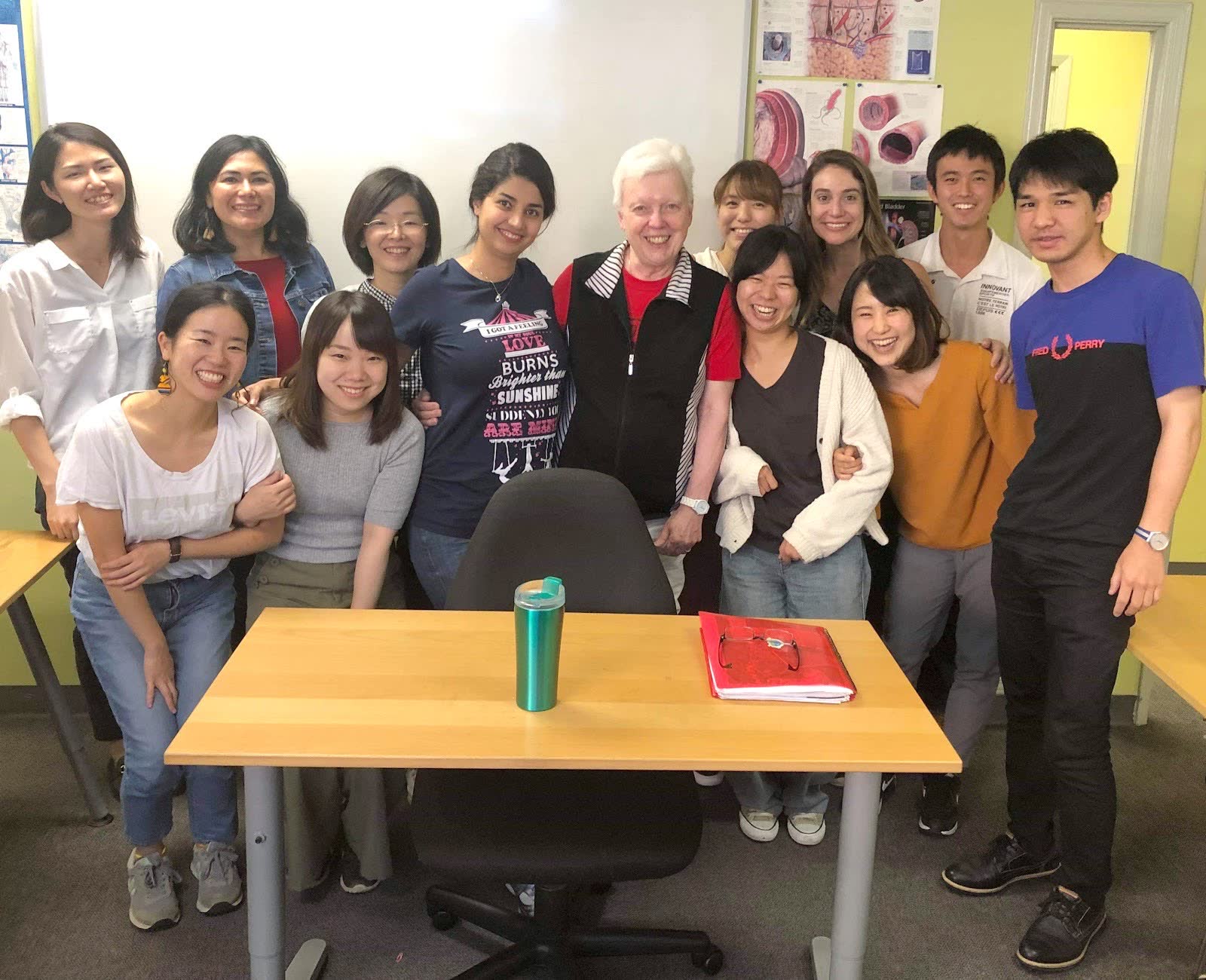
―そして、その3ヶ月の留学で英語力もすごく伸びたのですか?
中野: そうですね。
―短期間ですごいですね。勉強法について教えてください。
中野: 授業中に積極的に発信する癖をつけて、授業の内容は身につけました。授業後にも先生に必ず質問するつもりで授業に参加することを心がけました。
また、学校では比較的アカデミックな内容しか扱わなかったので、学外でも友達と出かけることで日常会話を上達させることができました。
英語学校以外でも学びたいと思い、学外のLanguage exchangeやMeetupにも参加しました。同年代の方が多く、さらに少なからず日本語に興味を持ってくれているので、仲良くなりやすかったですね。
留学中に一番仲良くなった友達はこのMeetupで出会ったトロント大学院生で、薬学部薬科学の専攻でした。来年の春に日本で再会する予定です。
帰国後の就職活動と今後の目標
―よい繋がりができましたね。
中野: はい。また、カナダでできた友人に勧められてビジネス用のSNSであるLinkedInに登録しました。今回内定をいただいた企業もこれを使ってコンタクトがきたんです。
―LinkedInに登録したんですね。日本では仕事のコネクションにFacebookを使う人も多いですが、北米では圧倒的にLinkedInを使いますよね。帰国後の就活についてもう少し教えてもらえますか?
中野: LinkedInに登録することと、あとはもちろん日系の大手転職サービスサイトに登録して損はないですし、いくつか並行してサポートを受けるのが良いと思います。調べればたくさん出てきます。
特に外資系にフォーカスして転職活動を行う場合、そもそもエージェントとのやり取りも英語になることがあります。僕の場合は面接対策なども英語で行いましたが、そこで意思疎通ができなければ仕事を紹介してもらう段階に進めません。
業種にもよりますが、新卒採用を一括して行なっていないだけで未経験枠を設けている企業は一定数存在します。新卒一括採用を行なっている=企業としての規模がかなり大きい=良くも悪くも大勢の中に入ることになります。ベンチャー気質になるほど新人であっても個人に任せられる業務量が増える傾向にあると思いますので、僕のように後者を望む場合は、年間通して転職市場の動向に注意しておくべきだと感じました。
―新しい就職先での勤務がもうすぐ始まりますね。
中野: はい。Medpaceで勤務予定です。オハイオ州のシンシナティにheadquarterがある企業で、37カ国でCRO事業を展開しています。東京オフィスでは外国人の同僚も多く、同業他社と比べても英語を使う機会が圧倒的に多くなりそうです。また、日本ではスタートアップしたばかりですので、チャンスに溢れていると期待しています。CRO業界は成長著しく、2021年までに市場規模が44 billionドルに達する見込みです。
―Medpaceでの目標は?
中野: 短期的には数年でマネージャーに昇格して英語でグローバル治験をマネジメントできるようになりたいです。その後は、アジア・パシフィックエリアの統括がシンガポールにあるので、そこで勤務してみたいと考えています。
―英語の勉強も続けますか?
中野: 英語をアウトプットする機会を確保するためにも、オンライン英会話と東京でのLanguage exchangeへの参加はこれからも継続していこうと思います。今もEngooが提供しているニュース記事を毎日読んでいますよ。
―すごい!頑張ってますね。EngooはDMM英会話として日本では知られていますね。ニュース記事はレベル別になっていますが、どのレベルの記事を読んでいるんですか?
中野: レベル5以上の記事を毎日いくつか読んでいます。サイトを見てもらうとわかりますが、1つの記事が短いですし、ボキャブラリーリストがあって、英語の意味が英語で書いてあるのでおすすめです。
―読解クイズやディスカッションのトピックもついていて、とても良くできていますね。無料で使えるので、学生にも推薦したいです。
後輩へのメッセージ
―最後に後輩へのメッセージをお願いします。
中野: 少しでも海外の医療に興味があるのであれば、絶対にTCTPに参加すべきです。
TOEIC500点程度の英語力では全くついていけず、消化不良になると思いますので、病院実習や薬局実習の合間で時間を見つけて、特に医療に関する英語力を高めてから参加することで成果も変わってくるはずです。
単に「カナダの薬剤師はすごい」で終わるのではなく、その経験が今後のキャリアにどのように活かせるのかを考える必要があります。例えば、カナダの薬剤師が今のように地位が高く、職域が日本よりも広いのは、長年にわたってカナダの薬剤師が努力してきたからだと学びました。調剤業務をテクニシャンにまかせ、薬剤師はOTCの相談に乗り、病棟業務に比重をおくなどした結果、今の高い給料と信頼があるのです。日本でも薬剤師が在宅や病棟業務に参画するようになってきていますが、この流れを継続していけば信頼も増え、職域も広くなるのではなるのではと思います。また、現在は卒業後に病院や薬局、ドラッグストアに就職する人が圧倒的に多いですが、自分としてはもう少しメーカーやCROなどBtoBの仕事を選択する卒業生が増えてもいいのではないかと思います。
薬学部は忙しいので、在学中は休学しないと長期留学はできませんが、卒業後数年経ってからでも英語圏で医療に触れる経験があるとキャリアの選択肢が増えると思います。
Ward experience at SickKids
— Looking back on your study abroad experience in your fifth year, what do you think of TCTP now? First, how was the experience at SickKids (The Hospital for Sick Children)? In the first year the program was only one week long, so it must have gone by in a flash…
Nakano: What impressed me most was shadowing a ward pharmacist. There were many seriously ill children in paediatrics. For example, the leukaemia patients had acute — not chronic — lymphoblastic leukaemia, so being on such a ward was a really valuable experience.
— Everyone who has taken part in TCTP says the ward experience is what stays with them most.
Nakano: Yes. I still remember clearly going to the ward on the Thursday. Because it came after my hospital and pharmacy clerkships in Japan, I could compare it with my experience at home.
— What did you learn about pharmacy practice at SickKids?
Nakano: The pharmacist I shadowed was doing what in Japan we would call prescription queries. And since it was paediatrics, medication counselling was basically given to the parents, and she explained the drug therapy very clearly. All the pharmacists at SickKids looked busy. I also had the impression that they placed a lot of weight on evidence-based medicine — reading the literature and focusing especially on the numbers.
University of Toronto pharmacy students ask far more questions
— You also attended classes at the Leslie Dan Faculty of Pharmacy. How were they?
Nakano: The class on mouth ulcers stuck with me. There are a lot of OTC products for mouth ulcers, and in the class at the University of Toronto a SickKids instructor brought in all kinds of actual samples to explain them. I thought that was a great way to teach.
— What impression did you get of the University of Toronto students?
Nakano: They asked far more questions than students in Japan. They ask a lot during the class, and asking questions means they are really learning. There was even a queue of students with questions after class — I was impressed.
Another difference I was glad to notice was that University of Toronto students basically take notes on their laptops. Japanese students don't do that. I'm not sure about today's undergraduates, but at least up to two years ago when I was a student, nobody used a laptop in a big lecture. Writing notes directly onto the PDF handout on a laptop struck me as very efficient.
New goals after becoming the pharmacist he had admired
— Classes at the hospital and the university, plus the hospital's seminars — it must have been a full week. What was your goal after returning to Japan?
Nakano: In Toronto I met some really cool pharmacists, and my admiration for the profession grew, so my first goal was simply to become a pharmacist.
At the same time, I started to want to work on a broader scale in the future, using both English and my pharmacy knowledge.
— And after graduating you did become a pharmacist?
Nakano: Yes. I joined a company that runs a major drugstore chain and dispensing pharmacies, and worked in dispensing. Once I could handle all of the pharmacy's work apart from the managing pharmacist's duties, I began to think about the next step.
Actually, even before the national exam, I had decided that even if I took a job as a new graduate, I would go abroad at some point. I also wanted to work in English.
So I left the company at the end of May and went to Toronto at the beginning of June.
— You resigned after one year and went back to Toronto to study. How did you choose where to go?
Nakano: Rather than learning English, I wanted to learn about health care in English — language is a communication tool. From my TCTP experience two years earlier I knew Toronto was a good place, and I found a school in Toronto with a course specializing in health care, which settled it.
Studying health care in English the second time round
— Can you tell us about that health care course?
Nakano: It's the English for Health Care course at the English School of Canada.
— So a language school has a course specializing in health care.
Nakano: That's right, so everyone taking it had a health care background. I'm a pharmacist, and there were Japanese doctors and nurses too. There were doctors from South America, a dentist from Mexico, employees of multinational companies — people with all kinds of backgrounds. Being able to talk in class with health care people from so many countries was a huge gain.
— What was the study on that course actually like?
Nakano: At first the medical vocabulary was hard. In each class you take one disease and study the pathology, diagnosis, treatment and prescribing systematically, and you repeat that for each specialty.
Once the vocabulary settled into a pattern, words stopped being a problem.
— Studying diseases, pathology, diagnosis and prescribing must be hard without specialist knowledge.
Nakano: Yes, but as a pharmacist you already know most of it apart from diagnostics and surgical procedures, so understanding the content was actually not difficult.
Brand names differ from country to country, which was tricky, but the instructor explained the diagnostics and anatomy that medical students learn, so I could follow.
The instructor was a Canadian doctor who had taught the same course for many years and had a very good reputation. Rather than lecturing one-way, he created opportunities for us to use English.
— And your English improved a lot in those three months?
Nakano: It did.
— That's impressive in such a short time. Tell us how you studied.
Nakano: I made a habit of speaking up actively in class, and that's how I absorbed the content. I went into every class intending to ask the teacher a question afterwards.
The school dealt mainly with academic content, so I improved my everyday conversation by going out with friends outside school.
I also wanted to learn outside the language school, so I joined language exchanges and Meetups. Most people were my age and many were interested in Japanese, so it was easy to make friends.
The closest friend I made was a University of Toronto graduate student in pharmaceutical sciences whom I met at a Meetup. We're planning to meet again in Japan next spring.
Job hunting after returning, and goals from here
— You made good connections.
Nakano: Yes. On the advice of a friend I made in Canada I also registered on LinkedIn, the business social network. The company that has now offered me a job contacted me through it.
— So you registered on LinkedIn. In Japan many people use Facebook for work connections, but in North America it's overwhelmingly LinkedIn. Can you tell us a bit more about your job search after coming back?
Nakano: Register on LinkedIn, and of course there's no harm in registering with the major Japanese job-change services too; it's best to get support from several in parallel. A search will turn up plenty.
If you focus on foreign-affiliated companies, even the exchanges with agents may be in English. In my case the interview preparation was in English too, and if you can't communicate there you won't get as far as being introduced to a job.
It depends on the industry, but a fair number of companies do hire people without experience — they just don't run a mass new-graduate intake. Mass new-graduate hiring means a very large company, which means, for better or worse, being one of a crowd. The more start-up-like the company, the more work tends to be entrusted to individuals even as newcomers, so if you want the latter, as I did, I think you should keep an eye on the job market all year round.
— Your new job starts soon.
Nakano: Yes, I'll be working at Medpace. It's headquartered in Cincinnati, Ohio, and runs CRO operations in 37 countries. The Tokyo office has many non-Japanese colleagues, so I'll have far more opportunities to use English than at other companies in the field. It has only just started up in Japan, so I expect plenty of opportunities. The CRO industry is growing fast — the market is expected to reach 44 billion dollars by 2021.
— What are your goals at Medpace?
Nakano: In the short term I want to be promoted to manager within a few years and manage global clinical trials in English. After that, the Asia-Pacific headquarters is in Singapore, so I'd like to work there.
— Will you keep studying English?
Nakano: To keep opportunities for output, I'll continue online English conversation and the language exchanges in Tokyo. I still read the Engoo daily news articles every day.
— Wonderful — you're working hard. Engoo is known in Japan as DMM Eikaiwa. The articles are graded by level; which level do you read?
Nakano: I read a few level 5 and above articles every day. As you'll see on the site, each article is short and comes with a vocabulary list with English definitions, so I recommend it.
— They also have comprehension quizzes and discussion topics — very well made. Since it's free, I'd like to recommend it to students too.
A message to younger students
— Finally, a message to the students who come after you.
Nakano: If you have even the slightest interest in health care abroad, you should absolutely join TCTP.
With English at around TOEIC 500 you won't be able to keep up at all and you'll come away with indigestion, so find time between your hospital and pharmacy clerkships to raise your English — especially medical English — before you go. That will change what you get out of it.
And don't stop at "Canadian pharmacists are amazing." You need to think about how the experience can be used in your career. For example, I learned that Canadian pharmacists have their high standing and wider scope of practice because they worked for it over many years. By handing dispensing to technicians, advising on OTC medicines, and putting weight on ward work, they earned today's high salaries and trust. In Japan, too, pharmacists are increasingly involved in home care and ward work; if that continues, trust will grow and the scope will widen. Also, the overwhelming majority of graduates now go into hospitals, pharmacies or drugstores, but I personally think more graduates could choose B-to-B work such as manufacturers or CROs.
Pharmacy school is busy, so you can't study abroad long-term without taking a leave of absence, but even a few years after graduating, experience of health care in an English-speaking country will widen your career options.